Buy dümmer-see.eu ?
We are moving the project
dümmer-see.eu .
Are you interested in purchasing the domain
dümmer-see.eu ?
domain@kv-gmbh.de · 0541-91531010
Buy dümmer-see.eu ?
Lower classifications of crustaceans
Lower classifications of crustaceans include groups such as Malacostraca, Branchiopoda, Maxillopoda, and Remipedia. These groups are further divided into various orders, families, and species. Each lower classification has unique characteristics and adaptations that help them thrive in different aquatic environments. Studying these lower classifications helps scientists understand the diversity and evolution of crustaceans. **
How can one breed prehistoric crustaceans?
Breeding prehistoric crustaceans would require a deep understanding of their natural habitat, behavior, and dietary needs. It would also involve creating an environment that closely mimics the conditions of the prehistoric era, including water temperature, salinity, and oxygen levels. Additionally, it would be important to source the specific species of prehistoric crustaceans and ensure that they are not endangered or protected. Finally, careful monitoring and maintenance of the breeding environment would be necessary to ensure the health and reproduction of the crustaceans. **

Similar search terms for Crustaceans
Top-Angebote
Products related to Crustaceans:
-
Scholastic Party Pack: Can You See What I See? 100 Fun FindsPerfect for gifting! These party packs feature some of our most loved titles. Includes eight copies of the same book.Can You See What I See? 100 Fun Finds Read-and-Seek Party Pack: Can You See What I See? 100 Fun Finds26,99 $*Shipping: 0,00 $Secure redirect to the provider
-
Cuisinart Pasta Extruder Attachment - See Compatible modelsOur Pasta Extruder Attachment lets you turn your Precision Master Stand Mixer into a kitchen workhorse, whipping up fresh batches of pasta for family and friends. Makes macaroni, spaghetti, rigatoni, fusilli, and more. Bellissimo!169,95 $*Shipping: 0,00 $Secure redirect to the provider
-
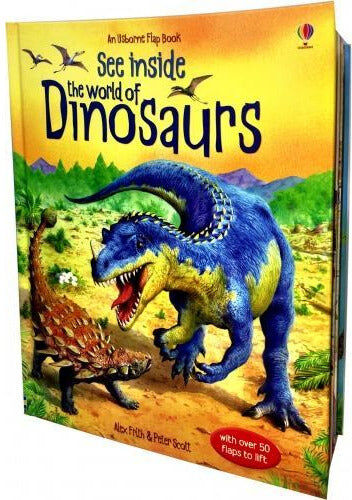
Usborne See Inside - The World Of DinosaursA fabulous flap book with over 50 flaps to lift, offering a glimpse into the prehistoric world of the dinosaurs. Stunning illustrations show how dinosaurs lived, hunted and how they died out. Flaps reveal extra facts, information and surprises. Chapters in this book include: - The great dinosaur puzzle - Life begins... - Dawn of the dinosaurs - Giant footsteps - Strange decorations - Fearsome battles - Where did they all go? - Dinosaurs today - Who's who Related Tags: Usborne, Usbourne6,99 £*Shipping: 2,99 £Secure redirect to the provider



-
How long do prehistoric crustaceans live?
The lifespan of prehistoric crustaceans varied depending on the species. Some prehistoric crustaceans, such as the horseshoe crab, are known to have existed for hundreds of millions of years, making them one of the oldest living species on Earth. Other prehistoric crustaceans may have had shorter lifespans, but due to the limited fossil record, it is difficult to determine the exact lifespan of all prehistoric crustaceans. Overall, prehistoric crustaceans were able to survive and thrive for millions of years, adapting to changing environmental conditions and evolving alongside other ancient species. **
-
What are prehistoric crustaceans as a gift?
Prehistoric crustaceans as a gift could refer to fossils or replicas of ancient crustaceans that lived millions of years ago. These could include creatures such as trilobites, ancient shrimp, or other early crustaceans that are now extinct. These gifts could be of interest to paleontologists, collectors, or anyone fascinated by prehistoric life. They provide a unique and educational gift option for those interested in natural history and the evolution of life on Earth. **
-
How do I properly breed prehistoric crustaceans?
To properly breed prehistoric crustaceans, you will need to create an environment that closely mimics their natural habitat. This includes providing a suitable tank with the right water conditions, temperature, and pH levels. You will also need to ensure that the crustaceans have access to the right food sources and hiding places. It's important to research the specific species of prehistoric crustaceans you are breeding to understand their unique needs and behaviors. Additionally, monitoring water quality and maintaining a clean environment is crucial for the health and successful breeding of prehistoric crustaceans. **
-
Why don't prehistoric crustaceans hatch in my case?
Prehistoric crustaceans do not hatch in your case because they require specific environmental conditions to hatch and develop. These conditions may include a certain temperature, water quality, and oxygen levels, which may not be present in your case. Additionally, prehistoric crustaceans may require specific nutrients and food sources that are not available in your case. Finally, prehistoric crustaceans may not be present in your case in the first place, as they are typically found in natural aquatic environments. **

What concerns are there when raising prehistoric crustaceans?
When raising prehistoric crustaceans, some concerns may include ensuring they have the proper environment and conditions to thrive, such as appropriate water quality and temperature. Another concern is providing them with a suitable diet that mimics their natural food sources. Additionally, it is important to monitor their growth and behavior closely to address any health issues or aggression that may arise in a communal setting. **
What are the differences between crustaceans and spiders?
Crustaceans and spiders belong to different classes within the phylum Arthropoda. Crustaceans, such as crabs and shrimp, have a distinct body structure with two pairs of antennae and two body segments: the cephalothorax and abdomen. They also have gills for breathing and typically live in aquatic environments. Spiders, on the other hand, have a two-part body consisting of the cephalothorax and abdomen, with four pairs of legs and no antennae. They also have spinnerets for producing silk and are predominantly terrestrial. Additionally, spiders are arachnids, while crustaceans are not. **
Top-Angebote
Products related to Crustaceans:
-
Usborne Publishing uk Ltd Usborne Flap Book See Inside Series 4 Books Collection Set (See Inside Your Body, See Inside How Things Work, See Inside The Solar System, See InsideUsborne Flap Book See Inside Series 4 Books Collection Set (See Inside Your Body, See Inside How Things Work, See Inside The Solar System, See Inside See Under the Sea) See Inside Your Body Fabulous flap book that reveals the inner workings of the human body. Bright, original colour illustrations and diagrams display all the major organs of the human body and are accompanied by witty, clear and informative text. Contains over fifty embedded flaps that children can lift to reveal extra detail. Written with expert advice from Dr. Zoe Fritz, a Consultant Physician and Director of Studies in Clinical Medicine at Cambridge University. See Inside How Things Work An amazing flap book packed with inventions, machines, gadgets and devices, and facts and information about how they work. Over 90 flaps reveal the insides of car engines, toilets, escalators, submarines and microwaves and many, many other machines. Includes internet links to websites with animations, games and experiments. See Inside The Solar System Blast off to explore our Solar System - from the fearsome heat of the Sun to the freezing distant planets, plus moons, asteroids and more. Discover how humans are planning to visit Mars, what you would weigh on Jupiter and what makes Venus so deadly. See Inside: See Under the Sea A fabulous flap book with over 80 flaps to lift and extra pages to open up to explore life under the sea. Shows coral reefs teeming with fish, the icy waters of the Arctic and the dizzying depths of ocean trenches, and shipwrecks and pirate booty too. Flaps reveal extra facts, information and surprises.21,99 £*Shipping: 2,99 £Secure redirect to the provider
-
Scholastic Party Pack: Can You See What I See? 100 Fun FindsPerfect for gifting! These party packs feature some of our most loved titles. Includes eight copies of the same book.Can You See What I See? 100 Fun Finds Read-and-Seek Party Pack: Can You See What I See? 100 Fun Finds26,99 $*Shipping: 0,00 $Secure redirect to the provider
-
Lower classifications of crustaceans
Lower classifications of crustaceans include groups such as Malacostraca, Branchiopoda, Maxillopoda, and Remipedia. These groups are further divided into various orders, families, and species. Each lower classification has unique characteristics and adaptations that help them thrive in different aquatic environments. Studying these lower classifications helps scientists understand the diversity and evolution of crustaceans. **
-
How can one breed prehistoric crustaceans?
Breeding prehistoric crustaceans would require a deep understanding of their natural habitat, behavior, and dietary needs. It would also involve creating an environment that closely mimics the conditions of the prehistoric era, including water temperature, salinity, and oxygen levels. Additionally, it would be important to source the specific species of prehistoric crustaceans and ensure that they are not endangered or protected. Finally, careful monitoring and maintenance of the breeding environment would be necessary to ensure the health and reproduction of the crustaceans. **
-
How long do prehistoric crustaceans live?
The lifespan of prehistoric crustaceans varied depending on the species. Some prehistoric crustaceans, such as the horseshoe crab, are known to have existed for hundreds of millions of years, making them one of the oldest living species on Earth. Other prehistoric crustaceans may have had shorter lifespans, but due to the limited fossil record, it is difficult to determine the exact lifespan of all prehistoric crustaceans. Overall, prehistoric crustaceans were able to survive and thrive for millions of years, adapting to changing environmental conditions and evolving alongside other ancient species. **
-
What are prehistoric crustaceans as a gift?
Prehistoric crustaceans as a gift could refer to fossils or replicas of ancient crustaceans that lived millions of years ago. These could include creatures such as trilobites, ancient shrimp, or other early crustaceans that are now extinct. These gifts could be of interest to paleontologists, collectors, or anyone fascinated by prehistoric life. They provide a unique and educational gift option for those interested in natural history and the evolution of life on Earth. **
Similar search terms for Crustaceans
-
Cuisinart Pasta Extruder Attachment - See Compatible modelsOur Pasta Extruder Attachment lets you turn your Precision Master Stand Mixer into a kitchen workhorse, whipping up fresh batches of pasta for family and friends. Makes macaroni, spaghetti, rigatoni, fusilli, and more. Bellissimo!169,95 $*Shipping: 0,00 $Secure redirect to the provider
-
Usborne See Inside - The World Of DinosaursA fabulous flap book with over 50 flaps to lift, offering a glimpse into the prehistoric world of the dinosaurs. Stunning illustrations show how dinosaurs lived, hunted and how they died out. Flaps reveal extra facts, information and surprises. Chapters in this book include: - The great dinosaur puzzle - Life begins... - Dawn of the dinosaurs - Giant footsteps - Strange decorations - Fearsome battles - Where did they all go? - Dinosaurs today - Who's who Related Tags: Usborne, Usbourne6,99 £*Shipping: 2,99 £Secure redirect to the provider
-
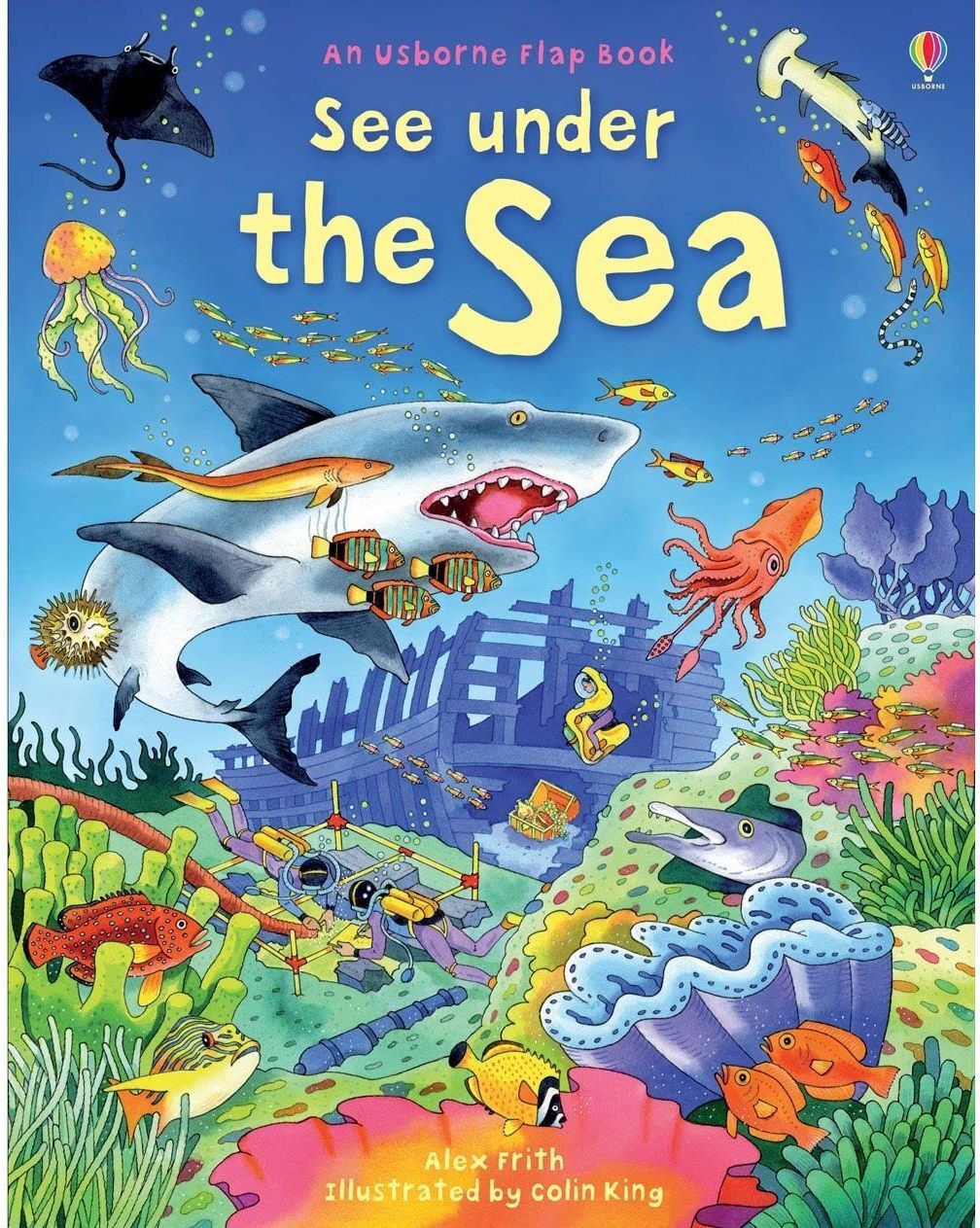
Usborne See Under the Sea by Kate DaviesSee Under the Sea A fabulous flap book with over 80 flaps to lift and extra pages to open up to explore life under the sea. Shows coral reefs teeming with fish, the icy waters of the Arctic and the dizzying depths of ocean trenches, and shipwrecks and pirate booty too. Flaps reveal extra facts, information and surprises.6,90 £*Shipping: 2,99 £Secure redirect to the provider
-
How do I properly breed prehistoric crustaceans?
To properly breed prehistoric crustaceans, you will need to create an environment that closely mimics their natural habitat. This includes providing a suitable tank with the right water conditions, temperature, and pH levels. You will also need to ensure that the crustaceans have access to the right food sources and hiding places. It's important to research the specific species of prehistoric crustaceans you are breeding to understand their unique needs and behaviors. Additionally, monitoring water quality and maintaining a clean environment is crucial for the health and successful breeding of prehistoric crustaceans. **
-
Why don't prehistoric crustaceans hatch in my case?
Prehistoric crustaceans do not hatch in your case because they require specific environmental conditions to hatch and develop. These conditions may include a certain temperature, water quality, and oxygen levels, which may not be present in your case. Additionally, prehistoric crustaceans may require specific nutrients and food sources that are not available in your case. Finally, prehistoric crustaceans may not be present in your case in the first place, as they are typically found in natural aquatic environments. **
-
What concerns are there when raising prehistoric crustaceans?
When raising prehistoric crustaceans, some concerns may include ensuring they have the proper environment and conditions to thrive, such as appropriate water quality and temperature. Another concern is providing them with a suitable diet that mimics their natural food sources. Additionally, it is important to monitor their growth and behavior closely to address any health issues or aggression that may arise in a communal setting. **
-
What are the differences between crustaceans and spiders?
Crustaceans and spiders belong to different classes within the phylum Arthropoda. Crustaceans, such as crabs and shrimp, have a distinct body structure with two pairs of antennae and two body segments: the cephalothorax and abdomen. They also have gills for breathing and typically live in aquatic environments. Spiders, on the other hand, have a two-part body consisting of the cephalothorax and abdomen, with four pairs of legs and no antennae. They also have spinnerets for producing silk and are predominantly terrestrial. Additionally, spiders are arachnids, while crustaceans are not. **
* All prices are inclusive of VAT and, if applicable, plus shipping costs. The offer information is based on the details provided by the respective shop and is updated through automated processes. Real-time updates do not occur, so deviations can occur in individual cases. ** Note: Parts of this content were created by AI.