Buy dümmer-see.eu ?
We are moving the project
dümmer-see.eu .
Are you interested in purchasing the domain
dümmer-see.eu ?
domain@kv-gmbh.de · 0541-91531010
Buy dümmer-see.eu ?
Is linguistic design the same as linguistic devices?
No, linguistic design and linguistic devices are not the same. Linguistic design refers to the overall structure and organization of language, including factors such as syntax, semantics, and discourse patterns. On the other hand, linguistic devices are specific techniques or tools used within language to achieve certain effects, such as metaphors, similes, or alliteration. While linguistic devices are a part of linguistic design, they are just one component of the broader concept. **
What are non-linguistic signs and linguistic signs?
Non-linguistic signs are symbols or signals that convey meaning without the use of language, such as traffic lights, facial expressions, or body language. These signs rely on visual cues or gestures to communicate information. On the other hand, linguistic signs are symbols that represent specific meanings within a particular language system, such as words, letters, or numbers. Linguistic signs rely on the conventions and rules of language to convey meaning. **


Similar search terms for Linguistic
Top-Angebote
Products related to Linguistic:
-
Usborne Publishing uk Ltd Usborne Flap Book See Inside Series 4 Books Collection Set (See Inside Your Body, See Inside How Things Work, See Inside The Solar System, See InsideUsborne Flap Book See Inside Series 4 Books Collection Set (See Inside Your Body, See Inside How Things Work, See Inside The Solar System, See Inside See Under the Sea) See Inside Your Body Fabulous flap book that reveals the inner workings of the human body. Bright, original colour illustrations and diagrams display all the major organs of the human body and are accompanied by witty, clear and informative text. Contains over fifty embedded flaps that children can lift to reveal extra detail. Written with expert advice from Dr. Zoe Fritz, a Consultant Physician and Director of Studies in Clinical Medicine at Cambridge University. See Inside How Things Work An amazing flap book packed with inventions, machines, gadgets and devices, and facts and information about how they work. Over 90 flaps reveal the insides of car engines, toilets, escalators, submarines and microwaves and many, many other machines. Includes internet links to websites with animations, games and experiments. See Inside The Solar System Blast off to explore our Solar System - from the fearsome heat of the Sun to the freezing distant planets, plus moons, asteroids and more. Discover how humans are planning to visit Mars, what you would weigh on Jupiter and what makes Venus so deadly. See Inside: See Under the Sea A fabulous flap book with over 80 flaps to lift and extra pages to open up to explore life under the sea. Shows coral reefs teeming with fish, the icy waters of the Arctic and the dizzying depths of ocean trenches, and shipwrecks and pirate booty too. Flaps reveal extra facts, information and surprises.21,99 £*Shipping: 2,99 £Secure redirect to the provider
-
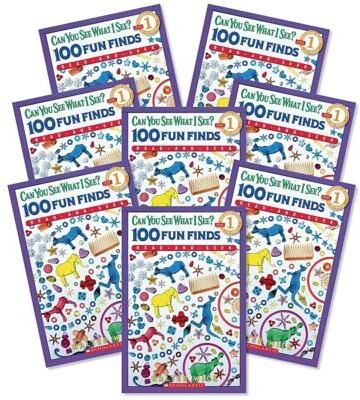
Scholastic Party Pack: Can You See What I See? 100 Fun FindsPerfect for gifting! These party packs feature some of our most loved titles. Includes eight copies of the same book.Can You See What I See? 100 Fun Finds Read-and-Seek Party Pack: Can You See What I See? 100 Fun Finds26,99 $*Shipping: 0,00 $Secure redirect to the provider
-
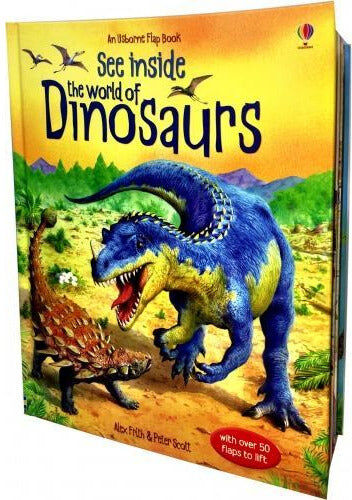
Usborne See Inside - The World Of DinosaursA fabulous flap book with over 50 flaps to lift, offering a glimpse into the prehistoric world of the dinosaurs. Stunning illustrations show how dinosaurs lived, hunted and how they died out. Flaps reveal extra facts, information and surprises. Chapters in this book include: - The great dinosaur puzzle - Life begins... - Dawn of the dinosaurs - Giant footsteps - Strange decorations - Fearsome battles - Where did they all go? - Dinosaurs today - Who's who Related Tags: Usborne, Usbourne6,99 £*Shipping: 2,99 £Secure redirect to the provider


-
What are good examples of linguistic and non-linguistic images?
Good examples of linguistic images include descriptive language that paints a vivid picture in the reader's mind, such as "the sun hung low in the sky, casting a warm golden glow over the fields." Non-linguistic images can include photographs, paintings, or other visual art that convey a specific mood or message without the use of words. For example, a photograph of a stormy sea with dark, churning waves can evoke a sense of danger and power without any accompanying text. Both linguistic and non-linguistic images can be powerful tools for communication and expression. **
-
What are linguistic aspects?
Linguistic aspects refer to the different components of language that are studied in linguistics. These aspects include phonetics (the study of speech sounds), phonology (the study of sound patterns), morphology (the study of word structure), syntax (the study of sentence structure), semantics (the study of meaning), and pragmatics (the study of language use in context). Understanding these linguistic aspects helps us analyze and interpret language in a systematic way. **
-
What are linguistic peculiarities?
Linguistic peculiarities refer to unique or unusual features found in a language that set it apart from others. These can include specific grammar rules, pronunciation patterns, vocabulary choices, or cultural influences that shape the way a language is spoken or written. Linguistic peculiarities can vary widely from one language to another, making each language distinct and interesting in its own way. **
-
What is linguistic redundancy?
Linguistic redundancy refers to the use of unnecessary or repetitive words, phrases, or information in communication. It can often be seen as a form of over-explaining or providing more information than is needed to convey a message. While some level of redundancy can help clarify communication and ensure understanding, excessive redundancy can lead to inefficiency and confusion in language. Overall, linguistic redundancy can be both a helpful tool for emphasizing key points and a hindrance to clear and concise communication. **

What are linguistic images?
Linguistic images are vivid descriptions or representations created through language that appeal to the senses and evoke mental images in the mind of the reader or listener. They use words to paint a picture or convey a sensory experience, making the text more engaging and memorable. By using descriptive language and sensory details, linguistic images help to bring a scene or concept to life for the audience. **
What are linguistic features?
Linguistic features are the characteristics of language that help to distinguish one language from another or one dialect from another. These features can include phonological features (such as the sounds used in a language), morphological features (such as word formation and inflection), syntactic features (such as word order and sentence structure), and semantic features (such as the meaning of words and how they are used in context). Linguistic features are essential for understanding and analyzing language and are used by linguists to study and compare different languages and dialects. **
Top-Angebote
Products related to Linguistic:
-
Zaffre Guilty by Definition: The instant Sunday Times bestselling linguistic mystery from Britain's wordsmith, Susie Dent (Clarendon Lexicographers)A coded letter. A missing woman. A truth waiting to be found. When an anonymous letter is delivered to the Clarendon English Dictionary office, it becomes rapidly clear that this is not the usual word-related enquiry. Instead, the letter hints at sinister events linked to a particular year. For editor Martha Thornhill, the date can mean only one thing: the summer her brilliant older sister Charlie went missing. Ten years on, Martha and her family are no closer to unravelling the mystery of Charlie's disappearance - until now. As more letters arrive, Martha and her team follow the linguistic clues to a troubling truth. It seems Charlie was keeping a powerful secret, and that someone is desperate to keep it well and truly buried. Guilty by Definition is a love letter not only to language but to the city of Oxford, wrapped within an intriguing mystery of a missing woman and considering the emotional aftershocks of her disappearance on those left behind.5,99 £*Shipping: 2,99 £Secure redirect to the provider
-
Usborne Publishing uk Ltd Usborne Flap Book See Inside Series 4 Books Collection Set (See Inside Your Body, See Inside How Things Work, See Inside The Solar System, See InsideUsborne Flap Book See Inside Series 4 Books Collection Set (See Inside Your Body, See Inside How Things Work, See Inside The Solar System, See Inside See Under the Sea) See Inside Your Body Fabulous flap book that reveals the inner workings of the human body. Bright, original colour illustrations and diagrams display all the major organs of the human body and are accompanied by witty, clear and informative text. Contains over fifty embedded flaps that children can lift to reveal extra detail. Written with expert advice from Dr. Zoe Fritz, a Consultant Physician and Director of Studies in Clinical Medicine at Cambridge University. See Inside How Things Work An amazing flap book packed with inventions, machines, gadgets and devices, and facts and information about how they work. Over 90 flaps reveal the insides of car engines, toilets, escalators, submarines and microwaves and many, many other machines. Includes internet links to websites with animations, games and experiments. See Inside The Solar System Blast off to explore our Solar System - from the fearsome heat of the Sun to the freezing distant planets, plus moons, asteroids and more. Discover how humans are planning to visit Mars, what you would weigh on Jupiter and what makes Venus so deadly. See Inside: See Under the Sea A fabulous flap book with over 80 flaps to lift and extra pages to open up to explore life under the sea. Shows coral reefs teeming with fish, the icy waters of the Arctic and the dizzying depths of ocean trenches, and shipwrecks and pirate booty too. Flaps reveal extra facts, information and surprises.21,99 £*Shipping: 2,99 £Secure redirect to the provider
-
Scholastic Party Pack: Can You See What I See? 100 Fun FindsPerfect for gifting! These party packs feature some of our most loved titles. Includes eight copies of the same book.Can You See What I See? 100 Fun Finds Read-and-Seek Party Pack: Can You See What I See? 100 Fun Finds26,99 $*Shipping: 0,00 $Secure redirect to the provider
-
Is linguistic design the same as linguistic devices?
No, linguistic design and linguistic devices are not the same. Linguistic design refers to the overall structure and organization of language, including factors such as syntax, semantics, and discourse patterns. On the other hand, linguistic devices are specific techniques or tools used within language to achieve certain effects, such as metaphors, similes, or alliteration. While linguistic devices are a part of linguistic design, they are just one component of the broader concept. **
-
What are non-linguistic signs and linguistic signs?
Non-linguistic signs are symbols or signals that convey meaning without the use of language, such as traffic lights, facial expressions, or body language. These signs rely on visual cues or gestures to communicate information. On the other hand, linguistic signs are symbols that represent specific meanings within a particular language system, such as words, letters, or numbers. Linguistic signs rely on the conventions and rules of language to convey meaning. **
-
What are good examples of linguistic and non-linguistic images?
Good examples of linguistic images include descriptive language that paints a vivid picture in the reader's mind, such as "the sun hung low in the sky, casting a warm golden glow over the fields." Non-linguistic images can include photographs, paintings, or other visual art that convey a specific mood or message without the use of words. For example, a photograph of a stormy sea with dark, churning waves can evoke a sense of danger and power without any accompanying text. Both linguistic and non-linguistic images can be powerful tools for communication and expression. **
-
What are linguistic aspects?
Linguistic aspects refer to the different components of language that are studied in linguistics. These aspects include phonetics (the study of speech sounds), phonology (the study of sound patterns), morphology (the study of word structure), syntax (the study of sentence structure), semantics (the study of meaning), and pragmatics (the study of language use in context). Understanding these linguistic aspects helps us analyze and interpret language in a systematic way. **
Similar search terms for Linguistic
-
Usborne See Inside - The World Of DinosaursA fabulous flap book with over 50 flaps to lift, offering a glimpse into the prehistoric world of the dinosaurs. Stunning illustrations show how dinosaurs lived, hunted and how they died out. Flaps reveal extra facts, information and surprises. Chapters in this book include: - The great dinosaur puzzle - Life begins... - Dawn of the dinosaurs - Giant footsteps - Strange decorations - Fearsome battles - Where did they all go? - Dinosaurs today - Who's who Related Tags: Usborne, Usbourne6,99 £*Shipping: 2,99 £Secure redirect to the provider
-
Cuisinart Pasta Extruder Attachment - See Compatible modelsOur Pasta Extruder Attachment lets you turn your Precision Master Stand Mixer into a kitchen workhorse, whipping up fresh batches of pasta for family and friends. Makes macaroni, spaghetti, rigatoni, fusilli, and more. Bellissimo!169,95 $*Shipping: 0,00 $Secure redirect to the provider
-
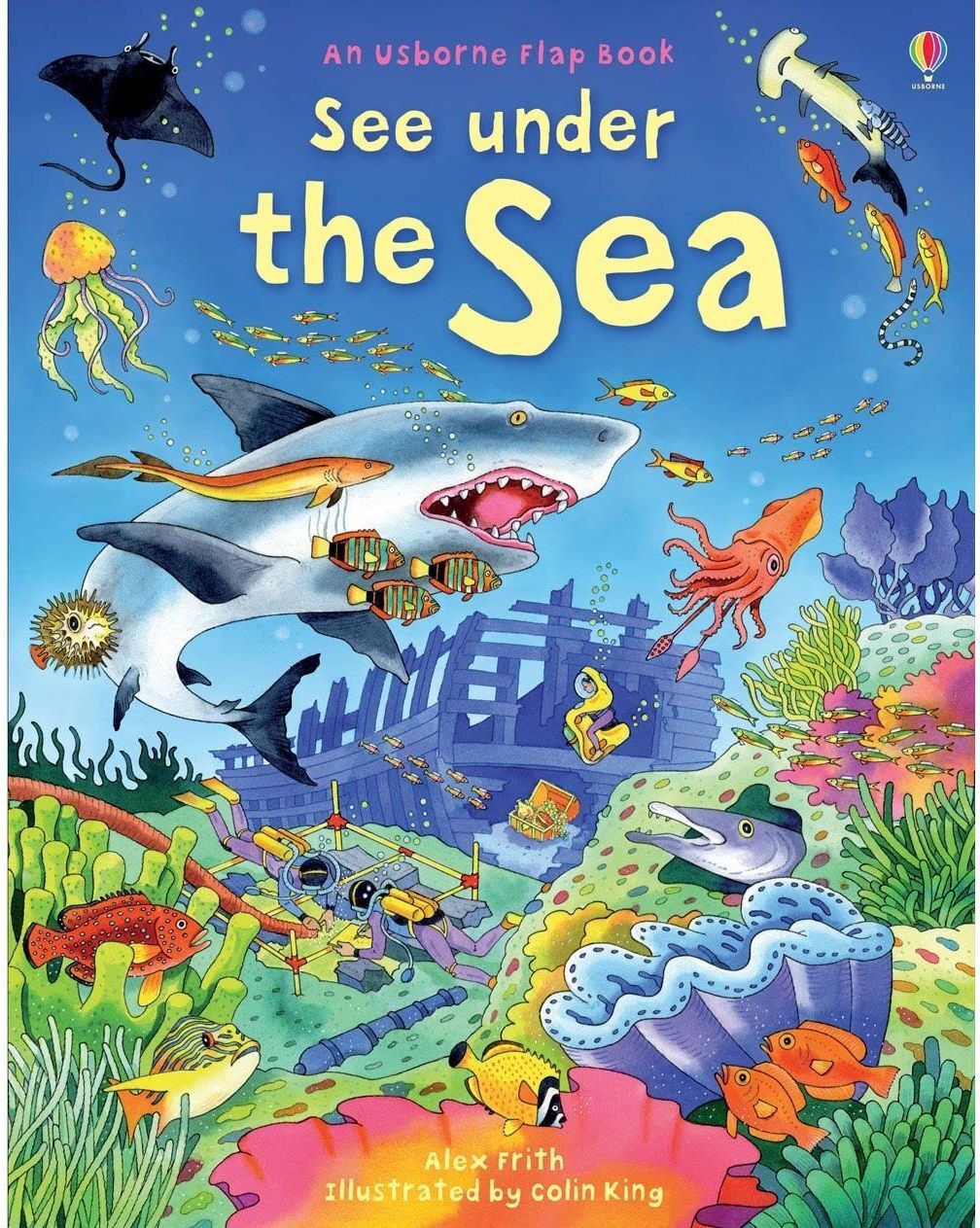
Usborne See Under the Sea by Kate DaviesSee Under the Sea A fabulous flap book with over 80 flaps to lift and extra pages to open up to explore life under the sea. Shows coral reefs teeming with fish, the icy waters of the Arctic and the dizzying depths of ocean trenches, and shipwrecks and pirate booty too. Flaps reveal extra facts, information and surprises.6,90 £*Shipping: 2,99 £Secure redirect to the provider
-
What are linguistic peculiarities?
Linguistic peculiarities refer to unique or unusual features found in a language that set it apart from others. These can include specific grammar rules, pronunciation patterns, vocabulary choices, or cultural influences that shape the way a language is spoken or written. Linguistic peculiarities can vary widely from one language to another, making each language distinct and interesting in its own way. **
-
What is linguistic redundancy?
Linguistic redundancy refers to the use of unnecessary or repetitive words, phrases, or information in communication. It can often be seen as a form of over-explaining or providing more information than is needed to convey a message. While some level of redundancy can help clarify communication and ensure understanding, excessive redundancy can lead to inefficiency and confusion in language. Overall, linguistic redundancy can be both a helpful tool for emphasizing key points and a hindrance to clear and concise communication. **
-
What are linguistic images?
Linguistic images are vivid descriptions or representations created through language that appeal to the senses and evoke mental images in the mind of the reader or listener. They use words to paint a picture or convey a sensory experience, making the text more engaging and memorable. By using descriptive language and sensory details, linguistic images help to bring a scene or concept to life for the audience. **
-
What are linguistic features?
Linguistic features are the characteristics of language that help to distinguish one language from another or one dialect from another. These features can include phonological features (such as the sounds used in a language), morphological features (such as word formation and inflection), syntactic features (such as word order and sentence structure), and semantic features (such as the meaning of words and how they are used in context). Linguistic features are essential for understanding and analyzing language and are used by linguists to study and compare different languages and dialects. **
* All prices are inclusive of VAT and, if applicable, plus shipping costs. The offer information is based on the details provided by the respective shop and is updated through automated processes. Real-time updates do not occur, so deviations can occur in individual cases. ** Note: Parts of this content were created by AI.