Buy dümmer-see.eu ?
We are moving the project
dümmer-see.eu .
Are you interested in purchasing the domain
dümmer-see.eu ?
domain@kv-gmbh.de · 0541-91531010
Buy dümmer-see.eu ?
What are mitochondria?
Mitochondria are membrane-bound organelles found in the cells of most eukaryotic organisms. They are often referred to as the powerhouse of the cell because they are responsible for producing the majority of the cell's energy in the form of adenosine triphosphate (ATP) through a process called cellular respiration. Mitochondria have their own DNA and are believed to have originated from ancient bacteria that were engulfed by a primitive eukaryotic cell through a process called endosymbiosis. They play a crucial role in various cellular functions, including metabolism, signaling, and cell death. **
Why are mitochondria important?
Mitochondria are important because they are the powerhouse of the cell, producing the majority of the cell's energy in the form of ATP through the process of cellular respiration. This energy is essential for various cellular functions, including growth, repair, and division. Additionally, mitochondria play a crucial role in regulating cell metabolism, signaling, and cell death. Dysfunction of mitochondria has been linked to various diseases, highlighting their importance in overall cellular health and function. **


Similar search terms for Mitochondria
Top-Angebote
Products related to Mitochondria:
-
Scholastic Party Pack: Can You See What I See? 100 Fun FindsPerfect for gifting! These party packs feature some of our most loved titles. Includes eight copies of the same book.Can You See What I See? 100 Fun Finds Read-and-Seek Party Pack: Can You See What I See? 100 Fun Finds26,99 $*Shipping: 0,00 $Secure redirect to the provider
-
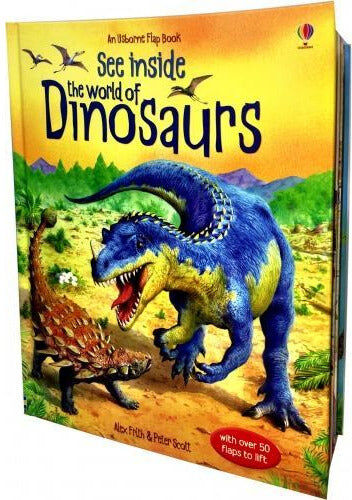
Usborne See Inside - The World Of DinosaursA fabulous flap book with over 50 flaps to lift, offering a glimpse into the prehistoric world of the dinosaurs. Stunning illustrations show how dinosaurs lived, hunted and how they died out. Flaps reveal extra facts, information and surprises. Chapters in this book include: - The great dinosaur puzzle - Life begins... - Dawn of the dinosaurs - Giant footsteps - Strange decorations - Fearsome battles - Where did they all go? - Dinosaurs today - Who's who Related Tags: Usborne, Usbourne6,99 £*Shipping: 2,99 £Secure redirect to the provider
-
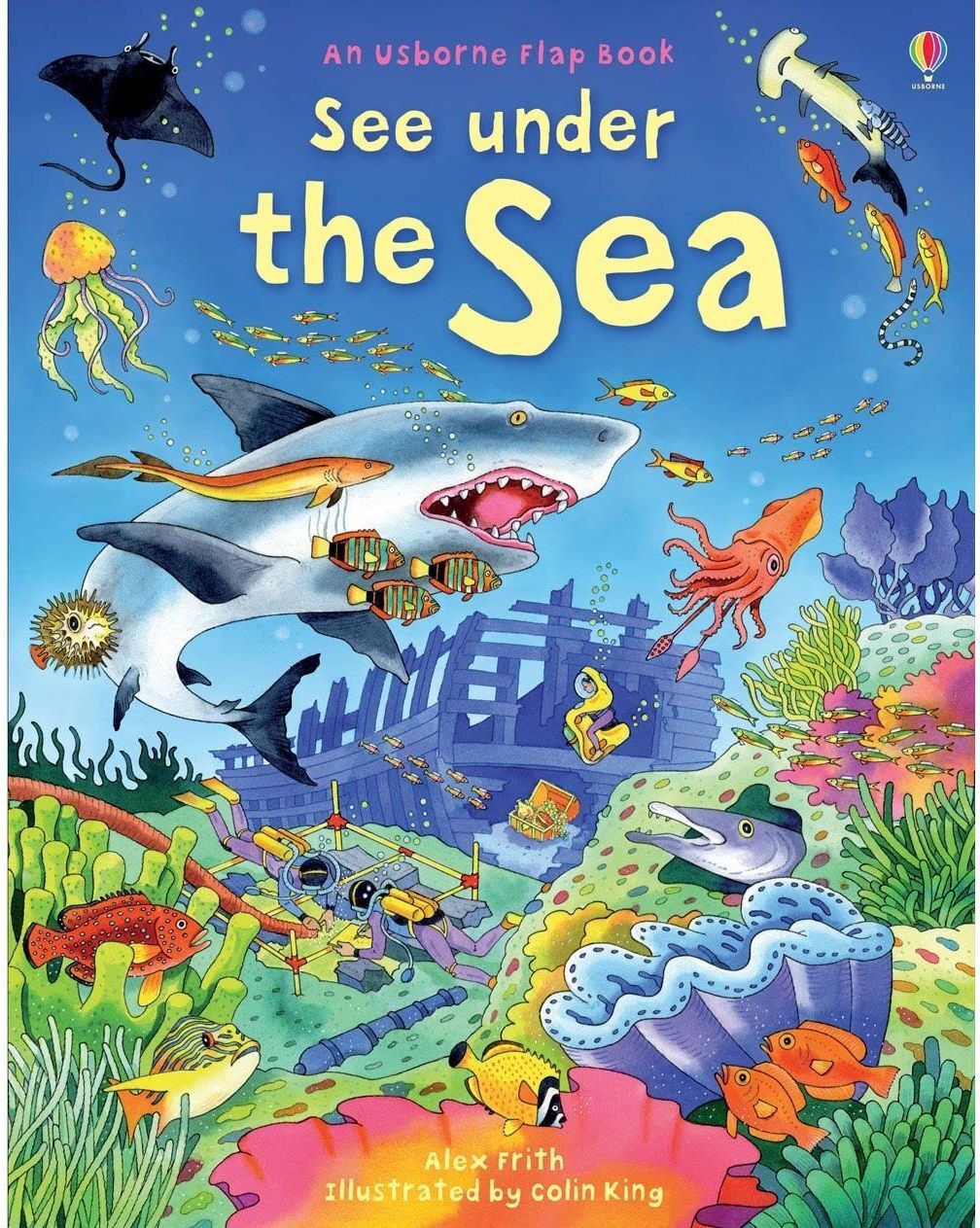
Usborne See Under the Sea by Kate DaviesSee Under the Sea A fabulous flap book with over 80 flaps to lift and extra pages to open up to explore life under the sea. Shows coral reefs teeming with fish, the icy waters of the Arctic and the dizzying depths of ocean trenches, and shipwrecks and pirate booty too. Flaps reveal extra facts, information and surprises.6,90 £*Shipping: 2,99 £Secure redirect to the provider


-
How are mitochondria formed?
Mitochondria are formed through a process called mitochondrial biogenesis, which involves the growth and division of existing mitochondria. Mitochondria have their own DNA and can replicate independently of the cell's nucleus. When a cell needs more energy, it signals for the production of new mitochondria through a complex interplay of signaling pathways and regulatory proteins. This process ensures that the cell has an adequate supply of mitochondria to meet its energy demands. **
-
How did mitochondria originate?
Mitochondria are believed to have originated from a symbiotic relationship between an ancestral eukaryotic cell and an ancient prokaryotic organism, specifically an alpha-proteobacteria. This symbiotic relationship is thought to have occurred around 1.5 billion years ago, with the prokaryotic organism being engulfed by the eukaryotic cell but not digested. Over time, this prokaryotic organism evolved into the mitochondria we see in eukaryotic cells today. This theory is supported by the fact that mitochondria have their own DNA, similar to that of bacteria, and replicate independently of the host cell. **
-
What are mitochondria and chloroplasts?
Mitochondria are membrane-bound organelles found in the cells of eukaryotic organisms, responsible for producing energy in the form of ATP through cellular respiration. They have their own DNA and are thought to have originated from ancient bacteria through endosymbiosis. Chloroplasts are also membrane-bound organelles found in plant cells and some protists, responsible for photosynthesis, the process by which they convert sunlight into energy-rich molecules like glucose. Like mitochondria, chloroplasts also have their own DNA and are believed to have originated from ancient photosynthetic bacteria through endosymbiosis. **
-
Do all cells have mitochondria?
No, not all cells have mitochondria. Mitochondria are organelles found in eukaryotic cells, which are cells that have a true nucleus and membrane-bound organelles. Prokaryotic cells, such as bacteria, do not have mitochondria. Additionally, some eukaryotic cells, like red blood cells, lose their mitochondria as they mature. **


Do animal cells have mitochondria?
Yes, animal cells do have mitochondria. Mitochondria are known as the powerhouse of the cell because they are responsible for producing energy in the form of ATP through a process called cellular respiration. This organelle is found in most eukaryotic cells, including animal cells, and plays a crucial role in metabolism and energy production. **
What are mitochondria in biology?
Mitochondria are membrane-bound organelles found in the cytoplasm of eukaryotic cells. They are often referred to as the "powerhouses" of the cell because they are responsible for producing the majority of the cell's energy in the form of adenosine triphosphate (ATP) through the process of cellular respiration. Mitochondria also play a role in regulating cellular metabolism, signaling, and cell death. They contain their own DNA and are believed to have originated from an ancient symbiotic relationship between a eukaryotic cell and a prokaryotic organism. **
Top-Angebote
Products related to Mitochondria:
-
Usborne Publishing uk Ltd Usborne Flap Book See Inside Series 4 Books Collection Set (See Inside Your Body, See Inside How Things Work, See Inside The Solar System, See InsideUsborne Flap Book See Inside Series 4 Books Collection Set (See Inside Your Body, See Inside How Things Work, See Inside The Solar System, See Inside See Under the Sea) See Inside Your Body Fabulous flap book that reveals the inner workings of the human body. Bright, original colour illustrations and diagrams display all the major organs of the human body and are accompanied by witty, clear and informative text. Contains over fifty embedded flaps that children can lift to reveal extra detail. Written with expert advice from Dr. Zoe Fritz, a Consultant Physician and Director of Studies in Clinical Medicine at Cambridge University. See Inside How Things Work An amazing flap book packed with inventions, machines, gadgets and devices, and facts and information about how they work. Over 90 flaps reveal the insides of car engines, toilets, escalators, submarines and microwaves and many, many other machines. Includes internet links to websites with animations, games and experiments. See Inside The Solar System Blast off to explore our Solar System - from the fearsome heat of the Sun to the freezing distant planets, plus moons, asteroids and more. Discover how humans are planning to visit Mars, what you would weigh on Jupiter and what makes Venus so deadly. See Inside: See Under the Sea A fabulous flap book with over 80 flaps to lift and extra pages to open up to explore life under the sea. Shows coral reefs teeming with fish, the icy waters of the Arctic and the dizzying depths of ocean trenches, and shipwrecks and pirate booty too. Flaps reveal extra facts, information and surprises.21,99 £*Shipping: 2,99 £Secure redirect to the provider
-
Scholastic Party Pack: Can You See What I See? 100 Fun FindsPerfect for gifting! These party packs feature some of our most loved titles. Includes eight copies of the same book.Can You See What I See? 100 Fun Finds Read-and-Seek Party Pack: Can You See What I See? 100 Fun Finds26,99 $*Shipping: 0,00 $Secure redirect to the provider
-
What are mitochondria?
Mitochondria are membrane-bound organelles found in the cells of most eukaryotic organisms. They are often referred to as the powerhouse of the cell because they are responsible for producing the majority of the cell's energy in the form of adenosine triphosphate (ATP) through a process called cellular respiration. Mitochondria have their own DNA and are believed to have originated from ancient bacteria that were engulfed by a primitive eukaryotic cell through a process called endosymbiosis. They play a crucial role in various cellular functions, including metabolism, signaling, and cell death. **
-
Why are mitochondria important?
Mitochondria are important because they are the powerhouse of the cell, producing the majority of the cell's energy in the form of ATP through the process of cellular respiration. This energy is essential for various cellular functions, including growth, repair, and division. Additionally, mitochondria play a crucial role in regulating cell metabolism, signaling, and cell death. Dysfunction of mitochondria has been linked to various diseases, highlighting their importance in overall cellular health and function. **
-
How are mitochondria formed?
Mitochondria are formed through a process called mitochondrial biogenesis, which involves the growth and division of existing mitochondria. Mitochondria have their own DNA and can replicate independently of the cell's nucleus. When a cell needs more energy, it signals for the production of new mitochondria through a complex interplay of signaling pathways and regulatory proteins. This process ensures that the cell has an adequate supply of mitochondria to meet its energy demands. **
-
How did mitochondria originate?
Mitochondria are believed to have originated from a symbiotic relationship between an ancestral eukaryotic cell and an ancient prokaryotic organism, specifically an alpha-proteobacteria. This symbiotic relationship is thought to have occurred around 1.5 billion years ago, with the prokaryotic organism being engulfed by the eukaryotic cell but not digested. Over time, this prokaryotic organism evolved into the mitochondria we see in eukaryotic cells today. This theory is supported by the fact that mitochondria have their own DNA, similar to that of bacteria, and replicate independently of the host cell. **
Similar search terms for Mitochondria
-
Usborne See Inside - The World Of DinosaursA fabulous flap book with over 50 flaps to lift, offering a glimpse into the prehistoric world of the dinosaurs. Stunning illustrations show how dinosaurs lived, hunted and how they died out. Flaps reveal extra facts, information and surprises. Chapters in this book include: - The great dinosaur puzzle - Life begins... - Dawn of the dinosaurs - Giant footsteps - Strange decorations - Fearsome battles - Where did they all go? - Dinosaurs today - Who's who Related Tags: Usborne, Usbourne6,99 £*Shipping: 2,99 £Secure redirect to the provider
-
Usborne See Under the Sea by Kate DaviesSee Under the Sea A fabulous flap book with over 80 flaps to lift and extra pages to open up to explore life under the sea. Shows coral reefs teeming with fish, the icy waters of the Arctic and the dizzying depths of ocean trenches, and shipwrecks and pirate booty too. Flaps reveal extra facts, information and surprises.6,90 £*Shipping: 2,99 £Secure redirect to the provider
-
Tommy Hilfiger Boating Flags Blue Cotton Reversible Quilt SetBring timeless coastal style to your bedroom with the Tommy Hilfiger Boating Flags quilt set. Inspired by classic Nautical design, this reversible quilt blends iconic maritime details with relaxed, everyday comfort.134,99 $*Shipping: 0,00 $Secure redirect to the provider
-
vidaXL Fishing Umbrella Brolly Shelter Tent Brolly Protection Fishing Shelter CamouflageThis versatile Tiltable Fishing Umbrella is an essential tool for outdoor comfort and sun protection. Equipped with durable Oxford Polyester fabric, this outdoor umbrella is resistant to water and UV light, making it perfect for extended outdoor use. It boasts a unique adjustable tilt feature, providing optimal shade throughout the day. The included zipped sidewalls and PVC windows ensure enhanced protection while maintaining an impressive aesthetic. Delivered with crucial components like metal pegs and ropes, it offers secure placement and easy transportation with a cloth bag. Compact and practical, this umbrella suits various outdoor activities, from fishing to garden gatherings. Its modern style, defined by clean lines and functional design, makes it a fit choice for both relaxed and organized settings. Easy to set up and transport, this sun shade solution enhances outdoor environments, ensuring comfort without compromise. vidaXL Colour: Camouflage44,99 £*Shipping: 4,99 £Secure redirect to the provider
-
What are mitochondria and chloroplasts?
Mitochondria are membrane-bound organelles found in the cells of eukaryotic organisms, responsible for producing energy in the form of ATP through cellular respiration. They have their own DNA and are thought to have originated from ancient bacteria through endosymbiosis. Chloroplasts are also membrane-bound organelles found in plant cells and some protists, responsible for photosynthesis, the process by which they convert sunlight into energy-rich molecules like glucose. Like mitochondria, chloroplasts also have their own DNA and are believed to have originated from ancient photosynthetic bacteria through endosymbiosis. **
-
Do all cells have mitochondria?
No, not all cells have mitochondria. Mitochondria are organelles found in eukaryotic cells, which are cells that have a true nucleus and membrane-bound organelles. Prokaryotic cells, such as bacteria, do not have mitochondria. Additionally, some eukaryotic cells, like red blood cells, lose their mitochondria as they mature. **
-
Do animal cells have mitochondria?
Yes, animal cells do have mitochondria. Mitochondria are known as the powerhouse of the cell because they are responsible for producing energy in the form of ATP through a process called cellular respiration. This organelle is found in most eukaryotic cells, including animal cells, and plays a crucial role in metabolism and energy production. **
-
What are mitochondria in biology?
Mitochondria are membrane-bound organelles found in the cytoplasm of eukaryotic cells. They are often referred to as the "powerhouses" of the cell because they are responsible for producing the majority of the cell's energy in the form of adenosine triphosphate (ATP) through the process of cellular respiration. Mitochondria also play a role in regulating cellular metabolism, signaling, and cell death. They contain their own DNA and are believed to have originated from an ancient symbiotic relationship between a eukaryotic cell and a prokaryotic organism. **
* All prices are inclusive of VAT and, if applicable, plus shipping costs. The offer information is based on the details provided by the respective shop and is updated through automated processes. Real-time updates do not occur, so deviations can occur in individual cases. ** Note: Parts of this content were created by AI.