Buy dümmer-see.eu ?
We are moving the project
dümmer-see.eu .
Are you interested in purchasing the domain
dümmer-see.eu ?
domain@kv-gmbh.de · 0541-91531010
Buy dümmer-see.eu ?
Is a fishing line floating in the water?
Yes, a fishing line can float in the water. The buoyancy of the fishing line depends on its material and thickness. For example, monofilament lines are more buoyant than fluorocarbon lines, and thicker lines are more likely to float than thinner ones. Additionally, the presence of any bait or lures attached to the line can also affect its buoyancy. **
Can regular balloons also be used for water balloons?
Yes, regular balloons can be used for water balloons. Simply fill them with water using a faucet or hose, tie them off, and they are ready to be used for water balloon fights or other water activities. However, it's important to note that regular balloons may not be as durable as water balloons specifically designed for water use, so they may be more prone to breaking or leaking. **


Similar search terms for Advantage-Floating-Balloons-Pink
Top-Angebote
Products related to Advantage-Floating-Balloons-Pink:




-
When do water balloons burst?
Water balloons burst when the pressure inside the balloon exceeds the strength of the balloon material. This can happen when the balloon is squeezed, thrown, or hits a surface with enough force. The impact or pressure causes the balloon to rupture, releasing the water inside. Additionally, exposure to sharp objects or extreme temperatures can also cause water balloons to burst. **
-
Can water balloons also be dangerous?
Yes, water balloons can also be dangerous if not used properly. When thrown with force, they can cause injury, especially if they hit someone in the face or eyes. Additionally, if water balloons are filled with substances other than water, such as chemicals or sharp objects, they can pose a serious risk to anyone they come into contact with. It is important to use caution and common sense when playing with water balloons to avoid any potential dangers. **
-
How do you fill water balloons?
To fill water balloons, first, stretch the opening of the balloon over the faucet or a hose nozzle. Then, turn on the water and allow the balloon to fill up with water. Once the balloon is at the desired size, carefully remove it from the faucet or hose and tie a knot at the opening to seal the water inside. Repeat the process for as many water balloons as needed. **
-
What are floating worms in the water?
Floating worms in the water are typically the larvae of certain insects, such as midges or mosquitoes. These larvae are often found in stagnant or slow-moving water, where they feed on organic matter and algae. They are called "floating" worms because they can be seen swimming near the surface of the water, where they breathe air through a tube-like structure. While they may be unsightly, these larvae are an important part of the aquatic ecosystem and serve as a food source for many other organisms. **

Why do helium balloons and hot air balloons float?
Helium balloons float because helium is lighter than the surrounding air, creating a buoyant force that causes the balloon to rise. Hot air balloons float because the air inside the balloon is heated, which makes it less dense than the surrounding air. This difference in density creates a lifting force that allows the balloon to float in the air. **
What are floating plants?
Floating plants are aquatic plants that do not anchor themselves in the soil, but instead float on the surface of the water. These plants have specialized structures that allow them to float, such as air-filled leaves or stems. Floating plants play an important role in aquatic ecosystems by providing habitat for fish and other wildlife, as well as helping to improve water quality by absorbing excess nutrients. Some common examples of floating plants include water lilies, duckweed, and water hyacinth. **
Top-Angebote
Products related to Advantage-Floating-Balloons-Pink:
-
Is a fishing line floating in the water?
Yes, a fishing line can float in the water. The buoyancy of the fishing line depends on its material and thickness. For example, monofilament lines are more buoyant than fluorocarbon lines, and thicker lines are more likely to float than thinner ones. Additionally, the presence of any bait or lures attached to the line can also affect its buoyancy. **
-
Can regular balloons also be used for water balloons?
Yes, regular balloons can be used for water balloons. Simply fill them with water using a faucet or hose, tie them off, and they are ready to be used for water balloon fights or other water activities. However, it's important to note that regular balloons may not be as durable as water balloons specifically designed for water use, so they may be more prone to breaking or leaking. **
-
When do water balloons burst?
Water balloons burst when the pressure inside the balloon exceeds the strength of the balloon material. This can happen when the balloon is squeezed, thrown, or hits a surface with enough force. The impact or pressure causes the balloon to rupture, releasing the water inside. Additionally, exposure to sharp objects or extreme temperatures can also cause water balloons to burst. **
-
Can water balloons also be dangerous?
Yes, water balloons can also be dangerous if not used properly. When thrown with force, they can cause injury, especially if they hit someone in the face or eyes. Additionally, if water balloons are filled with substances other than water, such as chemicals or sharp objects, they can pose a serious risk to anyone they come into contact with. It is important to use caution and common sense when playing with water balloons to avoid any potential dangers. **
Similar search terms for Advantage-Floating-Balloons-Pink
-
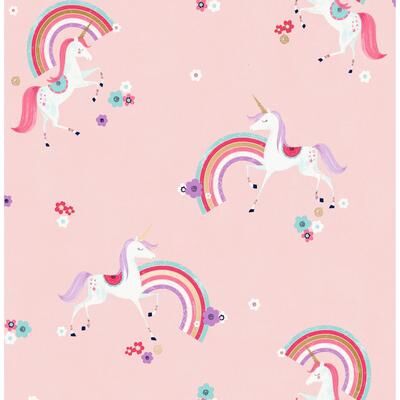
Advantage Rainbow Unicorn Pink Fantastical WallpaperPrancing through fun-filled skies, Rainbow Unicorn features the mythical creature partially framed by rainbows and flowers. Illustrated in shades of white, lilac, teal, pink, gold, and purple against pale pink.71,99 $*Shipping: 0,00 $Secure redirect to the provider
-
How do you fill water balloons?
To fill water balloons, first, stretch the opening of the balloon over the faucet or a hose nozzle. Then, turn on the water and allow the balloon to fill up with water. Once the balloon is at the desired size, carefully remove it from the faucet or hose and tie a knot at the opening to seal the water inside. Repeat the process for as many water balloons as needed. **
-
What are floating worms in the water?
Floating worms in the water are typically the larvae of certain insects, such as midges or mosquitoes. These larvae are often found in stagnant or slow-moving water, where they feed on organic matter and algae. They are called "floating" worms because they can be seen swimming near the surface of the water, where they breathe air through a tube-like structure. While they may be unsightly, these larvae are an important part of the aquatic ecosystem and serve as a food source for many other organisms. **
-
Why do helium balloons and hot air balloons float?
Helium balloons float because helium is lighter than the surrounding air, creating a buoyant force that causes the balloon to rise. Hot air balloons float because the air inside the balloon is heated, which makes it less dense than the surrounding air. This difference in density creates a lifting force that allows the balloon to float in the air. **
-
What are floating plants?
Floating plants are aquatic plants that do not anchor themselves in the soil, but instead float on the surface of the water. These plants have specialized structures that allow them to float, such as air-filled leaves or stems. Floating plants play an important role in aquatic ecosystems by providing habitat for fish and other wildlife, as well as helping to improve water quality by absorbing excess nutrients. Some common examples of floating plants include water lilies, duckweed, and water hyacinth. **
* All prices are inclusive of VAT and, if applicable, plus shipping costs. The offer information is based on the details provided by the respective shop and is updated through automated processes. Real-time updates do not occur, so deviations can occur in individual cases. ** Note: Parts of this content were created by AI.