Buy dümmer-see.eu ?
We are moving the project
dümmer-see.eu .
Are you interested in purchasing the domain
dümmer-see.eu ?
domain@kv-gmbh.de · 0541-91531010
Buy dümmer-see.eu ?
Why are some galaxies red, blue, yellow, or white?
The color of a galaxy is determined by the types of stars it contains and their ages. Blue galaxies typically have younger, hotter stars, while red galaxies have older, cooler stars. Yellow galaxies may have a mix of both young and old stars, giving them a more intermediate color. White galaxies may appear white due to a combination of different types of stars. The color of a galaxy can also be influenced by the presence of dust and gas, which can absorb and scatter light, affecting the overall color of the galaxy. **
Where can one see other galaxies?
Other galaxies can be seen from Earth using telescopes, both ground-based and space-based. Observatories such as the Hubble Space Telescope and the James Webb Space Telescope have provided stunning images of distant galaxies. Amateur astronomers can also observe other galaxies using smaller telescopes and even binoculars, especially in areas with low light pollution. Additionally, some planetariums and science centers offer programs and exhibits that showcase images and information about other galaxies. **

Similar search terms for Antonina-Vella-Galaxies-Blue
Top-Angebote
Products related to Antonina-Vella-Galaxies-Blue:
-
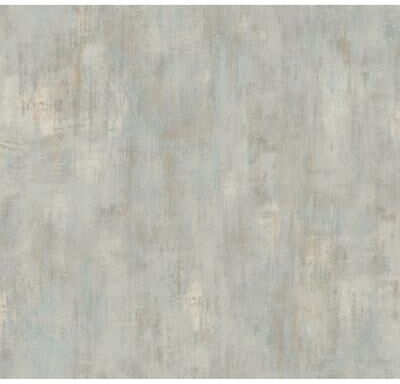
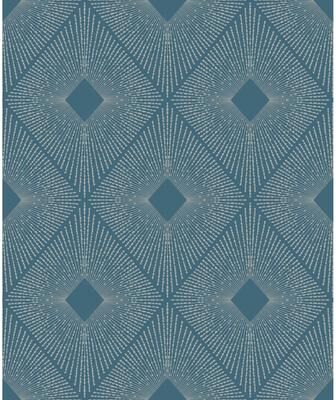
Antonina Vella Gingko Toss Blue WallpaperThe veined leaves of pattern Ginkgo Toss create a soft, botanical cascade in metallic and matte color. This Gingko Toss Wallpaper measures approximately 27 inches wide by 27 feet long, covering About 60.8 square feet per roll.187,00 $*Shipping: 0,00 $Secure redirect to the provider



-
What would other galaxies see from us?
Other galaxies would see our Milky Way galaxy as a faint band of light in the night sky. They would also see the light and radiation emitted from our sun and other stars within our galaxy. However, the details of our planet and its inhabitants would not be visible from such a great distance. Our presence would be virtually undetectable to other galaxies, as the vast distances between them make direct observation of individual planets or life forms impossible. **
-
Can you see galaxies through a telescope?
Yes, galaxies can be seen through a telescope. Telescopes allow us to see distant objects in space, including galaxies that are millions or even billions of light-years away. With the help of powerful telescopes, astronomers are able to observe and study the shapes, structures, and movements of galaxies, providing valuable insights into the nature of the universe. **
-
How can one see galaxies with a telescope?
To see galaxies with a telescope, one needs a telescope with a large aperture to gather enough light from distant objects. Galaxies are extremely faint and distant, so a telescope with a large aperture will be able to capture enough light to make them visible. Additionally, using a telescope in a dark, remote location away from light pollution will also improve the visibility of galaxies. Finally, using long exposure photography techniques can also help capture the faint light from galaxies. **
-
Why do galaxies rotate?
Galaxies rotate due to the conservation of angular momentum. As the gas and dust that make up a galaxy collapse under gravity to form stars and other structures, any initial rotation present in the material is amplified. This rotation causes the galaxy to spin around its center of mass. The rotation of galaxies also helps to maintain their overall shape and stability. **


Why are galaxies flat?
Galaxies are flat because of the way they form and rotate. When galaxies form, the gas and dust that make them up collapse into a spinning disk shape due to the conservation of angular momentum. This spinning motion causes the material to flatten out into a disk, much like how pizza dough flattens out when spun. The gravitational forces within the galaxy also contribute to this flat shape, as they pull the material towards the center of the galaxy, further flattening it out. **
What are spiral galaxies?
Spiral galaxies are a type of galaxy characterized by their distinctive spiral arms that extend outwards from a central bulge. These arms are made up of stars, gas, and dust, and they give the galaxy a pinwheel-like appearance. Spiral galaxies are often found to be relatively young and active, with ongoing star formation occurring in their arms. Our own Milky Way galaxy is a spiral galaxy. **
Top-Angebote
Products related to Antonina-Vella-Galaxies-Blue:
-
Antonina Vella Galaxies Blue WallpaperSculptural shapes create a universe of textural, raised, freeform silhouettes on modern color in pattern Galaxies. This Galaxies Wallpaper measures approximately 27 inches wide by 27 feet long, covering About 60.8 square feet per roll.187,00 $*Shipping: 0,00 $Secure redirect to the provider
-
Antonina Vella Gingko Toss Blue WallpaperThe veined leaves of pattern Ginkgo Toss create a soft, botanical cascade in metallic and matte color. This Gingko Toss Wallpaper measures approximately 27 inches wide by 27 feet long, covering About 60.8 square feet per roll.187,00 $*Shipping: 0,00 $Secure redirect to the provider
-
Why are some galaxies red, blue, yellow, or white?
The color of a galaxy is determined by the types of stars it contains and their ages. Blue galaxies typically have younger, hotter stars, while red galaxies have older, cooler stars. Yellow galaxies may have a mix of both young and old stars, giving them a more intermediate color. White galaxies may appear white due to a combination of different types of stars. The color of a galaxy can also be influenced by the presence of dust and gas, which can absorb and scatter light, affecting the overall color of the galaxy. **
-
Where can one see other galaxies?
Other galaxies can be seen from Earth using telescopes, both ground-based and space-based. Observatories such as the Hubble Space Telescope and the James Webb Space Telescope have provided stunning images of distant galaxies. Amateur astronomers can also observe other galaxies using smaller telescopes and even binoculars, especially in areas with low light pollution. Additionally, some planetariums and science centers offer programs and exhibits that showcase images and information about other galaxies. **
-
What would other galaxies see from us?
Other galaxies would see our Milky Way galaxy as a faint band of light in the night sky. They would also see the light and radiation emitted from our sun and other stars within our galaxy. However, the details of our planet and its inhabitants would not be visible from such a great distance. Our presence would be virtually undetectable to other galaxies, as the vast distances between them make direct observation of individual planets or life forms impossible. **
-
Can you see galaxies through a telescope?
Yes, galaxies can be seen through a telescope. Telescopes allow us to see distant objects in space, including galaxies that are millions or even billions of light-years away. With the help of powerful telescopes, astronomers are able to observe and study the shapes, structures, and movements of galaxies, providing valuable insights into the nature of the universe. **
Similar search terms for Antonina-Vella-Galaxies-Blue
-
Antonina Vella Free Spirit Blue WallpaperThe enchantment of wildflower silhouettes, floating on a sea of color, creates the textural simplicity of pattern Free Spirit. This Free Spirit Wallpaper measures approximately 27 inches wide by 27 feet long, covering About 60.8 square feet per roll.246,50 $*Shipping: 0,00 $Secure redirect to the provider
-
Antonina Vella Galaxies White WallpaperSculptural shapes create a universe of textural, raised, freeform silhouettes on modern color in pattern Galaxies. This Galaxies Wallpaper measures approximately 27 inches wide by 27 feet long, covering About 60.8 square feet per roll.187,00 $*Shipping: 0,00 $Secure redirect to the provider
-
How can one see galaxies with a telescope?
To see galaxies with a telescope, one needs a telescope with a large aperture to gather enough light from distant objects. Galaxies are extremely faint and distant, so a telescope with a large aperture will be able to capture enough light to make them visible. Additionally, using a telescope in a dark, remote location away from light pollution will also improve the visibility of galaxies. Finally, using long exposure photography techniques can also help capture the faint light from galaxies. **
-
Why do galaxies rotate?
Galaxies rotate due to the conservation of angular momentum. As the gas and dust that make up a galaxy collapse under gravity to form stars and other structures, any initial rotation present in the material is amplified. This rotation causes the galaxy to spin around its center of mass. The rotation of galaxies also helps to maintain their overall shape and stability. **
-
Why are galaxies flat?
Galaxies are flat because of the way they form and rotate. When galaxies form, the gas and dust that make them up collapse into a spinning disk shape due to the conservation of angular momentum. This spinning motion causes the material to flatten out into a disk, much like how pizza dough flattens out when spun. The gravitational forces within the galaxy also contribute to this flat shape, as they pull the material towards the center of the galaxy, further flattening it out. **
-
What are spiral galaxies?
Spiral galaxies are a type of galaxy characterized by their distinctive spiral arms that extend outwards from a central bulge. These arms are made up of stars, gas, and dust, and they give the galaxy a pinwheel-like appearance. Spiral galaxies are often found to be relatively young and active, with ongoing star formation occurring in their arms. Our own Milky Way galaxy is a spiral galaxy. **
* All prices are inclusive of VAT and, if applicable, plus shipping costs. The offer information is based on the details provided by the respective shop and is updated through automated processes. Real-time updates do not occur, so deviations can occur in individual cases. ** Note: Parts of this content were created by AI.