Buy dümmer-see.eu ?
We are moving the project
dümmer-see.eu .
Are you interested in purchasing the domain
dümmer-see.eu ?
domain@kv-gmbh.de · 0541-91531010
Buy dümmer-see.eu ?
To all tree and nature enthusiasts:
What are some ways we can help protect and preserve our forests and natural habitats for future generations? **
How often should one water an orange tree?
Orange trees should be watered regularly, typically once a week. However, the frequency of watering may vary depending on factors such as the climate, soil type, and age of the tree. It is important to ensure that the soil is consistently moist but not waterlogged. Monitoring the soil moisture level and adjusting the watering schedule accordingly is key to keeping an orange tree healthy. **


Similar search terms for Couleur-Nature-Orange-Tree
Top-Angebote
Products related to Couleur-Nature-Orange-Tree:
-
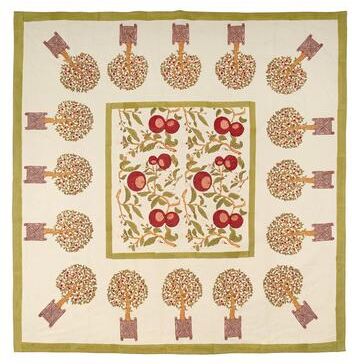
Couleur Nature Gold Olive Tree Square TableclothThis richly colored tablecloth is perfect for a relaxed dinner or special occasion. Designed by Bruno Lamy exclusively for Couleur Nature, this lovely piece is sure to add a strong sense of style to your dining decor.94,50 $*Shipping: 0,00 $Secure redirect to the provider


-
What distinguishes a lemon tree from an orange tree?
One key distinction between a lemon tree and an orange tree is the fruit they produce. Lemon trees bear yellow, sour-tasting fruits, while orange trees produce round, orange-colored sweet fruits. Additionally, the leaves of lemon trees are typically smaller and more elliptical in shape compared to the larger, oval-shaped leaves of orange trees. Finally, lemon trees are generally more cold-sensitive than orange trees, requiring warmer climates to thrive. **
-
Does the orange tree turn into a lemon tree?
No, an orange tree does not turn into a lemon tree. Orange trees and lemon trees are two distinct species of citrus trees with different genetic makeup and characteristics. While they may be related and share some similarities, they do not transform into each other. If you want to grow lemons, you need to plant a lemon tree, and if you want oranges, you need to plant an orange tree. **
-
What does my orange tree have?
Your orange tree has vibrant green leaves, fragrant white blossoms, and small green oranges growing on its branches. It also has a sturdy trunk and roots that anchor it in the soil, providing stability and support for its growth. With proper care and attention, your orange tree has the potential to produce delicious, juicy oranges for you to enjoy. **
-
Is canal water of artificial nature?
Yes, canal water is of artificial nature. Canals are man-made waterways that are constructed to transport water for irrigation, drainage, or navigation. They are typically dug and maintained by humans to control the flow and distribution of water for various purposes. Therefore, the water found in canals is not naturally occurring, but rather a result of human intervention and engineering. **
Why is it actually called Mother Nature and not Father Nature or Human Nature?
The term "Mother Nature" likely originated from ancient cultures that personified nature as a nurturing and life-giving force, similar to the role of a mother. This concept is rooted in the idea of the Earth as a source of sustenance and fertility, which aligns with the nurturing and life-giving qualities traditionally associated with motherhood. Additionally, the association of nature with femininity may also stem from the ancient worship of female deities representing the Earth and fertility. Over time, this association has become deeply ingrained in many cultures and continues to be reflected in the use of the term "Mother Nature." **
How do you prune an orange tree?
To prune an orange tree, follow these steps: 1. Start by removing any dead, damaged, or diseased branches. Cut them back to the main trunk or a healthy lateral branch. 2. Next, look for any branches that are crossing or rubbing against each other. Remove one of the branches to prevent damage and improve air circulation. 3. Thin out the canopy by removing some of the smaller, weaker branches. This will allow more sunlight and air to reach the inner parts of the tree. 4. Trim back any branches that are growing too close to the ground or are touching the soil. This will help prevent pests and diseases from affecting the tree. 5. Finally, step back and assess the overall shape of the tree. Aim for a balanced, open canopy that allows sunlight to reach all parts of the tree. Remember to use sharp, clean pruning shears and make clean cuts to promote healing. Pruning is best done in late winter or early spring before new growth begins. **
Top-Angebote
Products related to Couleur-Nature-Orange-Tree:
-
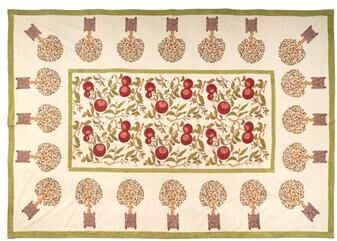
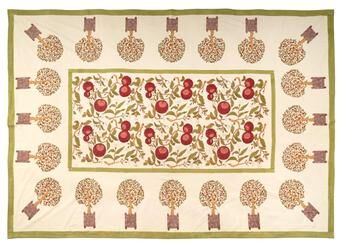
Couleur Nature Lemon Tree Rectangle TableclothThis lemon tree tablecloth will add a truly tangy zest to any breakfast table or special occasion. Modern, Mediterranean and slightly architectural with its repeating patterns, this tablecloth comes with a strong sense of style.112,99 $*Shipping: 0,00 $Secure redirect to the provider
-
Couleur Nature Gold Olive Tree Square TableclothThis richly colored tablecloth is perfect for a relaxed dinner or special occasion. Designed by Bruno Lamy exclusively for Couleur Nature, this lovely piece is sure to add a strong sense of style to your dining decor.94,50 $*Shipping: 0,00 $Secure redirect to the provider
-
To all tree and nature enthusiasts:
What are some ways we can help protect and preserve our forests and natural habitats for future generations? **
-
How often should one water an orange tree?
Orange trees should be watered regularly, typically once a week. However, the frequency of watering may vary depending on factors such as the climate, soil type, and age of the tree. It is important to ensure that the soil is consistently moist but not waterlogged. Monitoring the soil moisture level and adjusting the watering schedule accordingly is key to keeping an orange tree healthy. **
-
What distinguishes a lemon tree from an orange tree?
One key distinction between a lemon tree and an orange tree is the fruit they produce. Lemon trees bear yellow, sour-tasting fruits, while orange trees produce round, orange-colored sweet fruits. Additionally, the leaves of lemon trees are typically smaller and more elliptical in shape compared to the larger, oval-shaped leaves of orange trees. Finally, lemon trees are generally more cold-sensitive than orange trees, requiring warmer climates to thrive. **
-
Does the orange tree turn into a lemon tree?
No, an orange tree does not turn into a lemon tree. Orange trees and lemon trees are two distinct species of citrus trees with different genetic makeup and characteristics. While they may be related and share some similarities, they do not transform into each other. If you want to grow lemons, you need to plant a lemon tree, and if you want oranges, you need to plant an orange tree. **
Similar search terms for Couleur-Nature-Orange-Tree
-
What does my orange tree have?
Your orange tree has vibrant green leaves, fragrant white blossoms, and small green oranges growing on its branches. It also has a sturdy trunk and roots that anchor it in the soil, providing stability and support for its growth. With proper care and attention, your orange tree has the potential to produce delicious, juicy oranges for you to enjoy. **
-
Is canal water of artificial nature?
Yes, canal water is of artificial nature. Canals are man-made waterways that are constructed to transport water for irrigation, drainage, or navigation. They are typically dug and maintained by humans to control the flow and distribution of water for various purposes. Therefore, the water found in canals is not naturally occurring, but rather a result of human intervention and engineering. **
-
Why is it actually called Mother Nature and not Father Nature or Human Nature?
The term "Mother Nature" likely originated from ancient cultures that personified nature as a nurturing and life-giving force, similar to the role of a mother. This concept is rooted in the idea of the Earth as a source of sustenance and fertility, which aligns with the nurturing and life-giving qualities traditionally associated with motherhood. Additionally, the association of nature with femininity may also stem from the ancient worship of female deities representing the Earth and fertility. Over time, this association has become deeply ingrained in many cultures and continues to be reflected in the use of the term "Mother Nature." **
-
How do you prune an orange tree?
To prune an orange tree, follow these steps: 1. Start by removing any dead, damaged, or diseased branches. Cut them back to the main trunk or a healthy lateral branch. 2. Next, look for any branches that are crossing or rubbing against each other. Remove one of the branches to prevent damage and improve air circulation. 3. Thin out the canopy by removing some of the smaller, weaker branches. This will allow more sunlight and air to reach the inner parts of the tree. 4. Trim back any branches that are growing too close to the ground or are touching the soil. This will help prevent pests and diseases from affecting the tree. 5. Finally, step back and assess the overall shape of the tree. Aim for a balanced, open canopy that allows sunlight to reach all parts of the tree. Remember to use sharp, clean pruning shears and make clean cuts to promote healing. Pruning is best done in late winter or early spring before new growth begins. **
* All prices are inclusive of VAT and, if applicable, plus shipping costs. The offer information is based on the details provided by the respective shop and is updated through automated processes. Real-time updates do not occur, so deviations can occur in individual cases. ** Note: Parts of this content were created by AI.