Buy dümmer-see.eu ?
We are moving the project
dümmer-see.eu .
Are you interested in purchasing the domain
dümmer-see.eu ?
domain@kv-gmbh.de · 0541-91531010
Buy dümmer-see.eu ?
How is parking regulated at Lake Dümmer?
Parking at Lake Dümmer is regulated through designated parking areas and parking regulations enforced by local authorities. There are specific parking lots and areas designated for visitors to park their vehicles, and parking is not allowed in certain areas to protect the natural environment. Additionally, there may be time limits or fees associated with parking in certain areas around the lake. Visitors are encouraged to follow the parking regulations to ensure the safety and preservation of the area. **
How can one park at Lake Dümmer?
At Lake Dümmer, there are designated parking areas for visitors. These parking areas are located near the lake and provide easy access to the recreational areas. Visitors can park their vehicles in these designated parking areas and then explore the lake and its surroundings on foot or by bike. It's important to follow the parking regulations and signs to ensure a safe and enjoyable experience for everyone. **
Similar search terms for Cycle
Top-Angebote
Products related to Cycle:
-
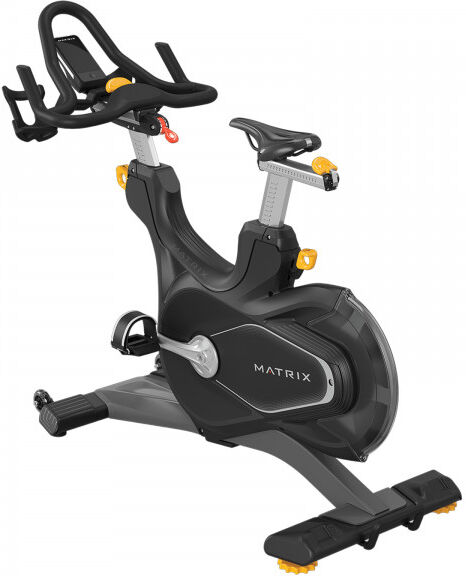
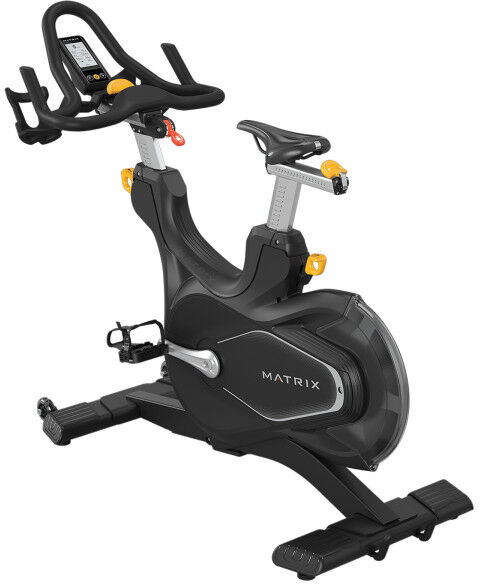
Matrix Total Body CycleTHE MATRIX TOTAL BODY CYCLE The Matrix Total Body Cycle makes group training and HIIT classes more intense than ever. The Total Body Cycle is Matrix's answer to the air bike, utilising air resistance to challenge the user. The harder they push, the harder the bike resists as they push, pull and...2154,00 £*Shipping: 0,00 £Secure redirect to the provider
-
BodyMax SC30 Indoor CycleENTER THE FAST LANE Entry-level bikes don't get much better than the BodyMax SC30 Indoor Cycle, the perfect choice for studio cyclists looking to bring the class to the home. Designed for home use, the SC30 is packed with useful features to get the most out of your ride. The SC30 has fully...179,10 £*Shipping: 0,00 £Secure redirect to the provider
-
BodyMax SC50 Indoor CycleIntroducing the BodyMax SC50 Over three years in development to produce an affordable, high-quality indoor cycle went into the creation of the BodyMax SC50. The new elegant look of the SC50 is backed up by premium features such as a 12kg flywheel with smooth magnetic resistance, 32 resistance...404,10 £*Shipping: 0,00 £Secure redirect to the provider
-
Horizon 5.0IC Indoor CycleThe Horizon 5.0IC Indoor Cycle delivers a comfortable and smooth ride for both beginners and intermediate cyclists. Bluetooth FTMS easily connects to popular fitness apps like Zwift, Peloton, and Kinomap for an immersive workout experience. The bike’s 100 levels of digital resistance, magnetic...599,00 £*Shipping: 0,00 £Secure redirect to the provider


-
How does the carbon cycle work in a lake?
In a lake, the carbon cycle begins with the process of photosynthesis, where aquatic plants and algae take in carbon dioxide from the water and convert it into organic carbon compounds. These plants are then consumed by aquatic animals, transferring the organic carbon into their bodies. When these organisms die, they sink to the bottom of the lake, where their organic matter is broken down by bacteria and other decomposers, releasing carbon dioxide back into the water. Some of this carbon may also be buried in the sediments at the bottom of the lake, where it can be stored for long periods of time. Overall, the carbon cycle in a lake involves the continuous exchange of carbon between the atmosphere, water, and living organisms. **
-
How does the water cycle work?
The water cycle is the continuous movement of water on, above, and below the surface of the Earth. It involves processes such as evaporation, condensation, precipitation, and runoff. The cycle begins with the sun heating the surface of the Earth, causing water to evaporate from bodies of water and transpire from plants. The water vapor then rises into the atmosphere, where it cools and condenses into clouds. Eventually, the condensed water droplets fall back to the Earth as precipitation, which can take the form of rain, snow, sleet, or hail. This water then flows into bodies of water or seeps into the ground, where it can be taken up by plants or evaporate once again, continuing the cycle. **
-
How does the Vitamin B12 cycle work in nature?
In nature, the Vitamin B12 cycle involves the production and utilization of Vitamin B12 by various organisms. Bacteria are primarily responsible for synthesizing Vitamin B12, which is then taken up by other organisms through consumption. Once ingested, Vitamin B12 is used in various metabolic pathways, such as DNA synthesis and energy production. Any excess Vitamin B12 is excreted back into the environment, where it can be recycled by bacteria to continue the cycle. This cycle ensures a continuous supply of Vitamin B12 for organisms that require it for their biological processes. **
-
How does human intervention affect the water cycle?
Human intervention can disrupt the water cycle in various ways. Deforestation and urbanization can lead to reduced evapotranspiration, impacting the amount of water vapor returned to the atmosphere. Pollution from industrial activities and agriculture can contaminate water sources, affecting the quality of water available for the cycle. Additionally, the construction of dams and irrigation systems can alter the natural flow of water, impacting the distribution of water across different regions. **
How does human interfere with the water cycle?
Human interference with the water cycle occurs through activities such as deforestation, urbanization, and industrialization. Deforestation reduces the number of trees that can absorb and release water through transpiration, disrupting the natural balance of the water cycle. Urbanization and industrialization lead to the paving over of natural surfaces, which reduces the amount of water that can infiltrate the ground and replenish groundwater. Additionally, pollution from human activities can contaminate water sources, affecting the quality and availability of water within the water cycle. **
How does the water cycle work in the household?
The water cycle in the household begins with water being used for various purposes such as drinking, cooking, bathing, and cleaning. After use, the water goes down the drain and enters the wastewater system. From there, it is treated and purified before being released back into the environment through rivers, lakes, or oceans. This water then evaporates due to heat from the sun, forming clouds and eventually falling back to the earth as precipitation, where it can be collected and used again in the household. This continuous cycle ensures that water is recycled and reused in the household. **
Top-Angebote
Products related to Cycle:
-
Matrix CXP Training CycleTHE MATRIX CXP TRAINING CYCLE The Matrix CXP Training Cycle gives riders the kind of experience they'll come back for time and time again. The CXP is designed to track personalised training metrics, optimised ergonomics and features Target Training LED colour wrap and, integrated Sprint 8...1995,00 £*Shipping: 0,00 £Secure redirect to the provider
-
Matrix CXM Training CycleTHE MATRIX CXM TRAINING CYCLE The Matrix CXM Training Cycle takes group fitness classes to the next level, bringing members back time and time again. High-design, low-maintenance engineering includes an intuitive LCD console that tracks watts, heart rate, RPMs, resistance level, distance and...1794,00 £*Shipping: 0,00 £Secure redirect to the provider
-
Matrix Total Body CycleTHE MATRIX TOTAL BODY CYCLE The Matrix Total Body Cycle makes group training and HIIT classes more intense than ever. The Total Body Cycle is Matrix's answer to the air bike, utilising air resistance to challenge the user. The harder they push, the harder the bike resists as they push, pull and...2154,00 £*Shipping: 0,00 £Secure redirect to the provider
-
BodyMax SC30 Indoor CycleENTER THE FAST LANE Entry-level bikes don't get much better than the BodyMax SC30 Indoor Cycle, the perfect choice for studio cyclists looking to bring the class to the home. Designed for home use, the SC30 is packed with useful features to get the most out of your ride. The SC30 has fully...179,10 £*Shipping: 0,00 £Secure redirect to the provider
-
How is parking regulated at Lake Dümmer?
Parking at Lake Dümmer is regulated through designated parking areas and parking regulations enforced by local authorities. There are specific parking lots and areas designated for visitors to park their vehicles, and parking is not allowed in certain areas to protect the natural environment. Additionally, there may be time limits or fees associated with parking in certain areas around the lake. Visitors are encouraged to follow the parking regulations to ensure the safety and preservation of the area. **
-
How can one park at Lake Dümmer?
At Lake Dümmer, there are designated parking areas for visitors. These parking areas are located near the lake and provide easy access to the recreational areas. Visitors can park their vehicles in these designated parking areas and then explore the lake and its surroundings on foot or by bike. It's important to follow the parking regulations and signs to ensure a safe and enjoyable experience for everyone. **
-
How does the carbon cycle work in a lake?
In a lake, the carbon cycle begins with the process of photosynthesis, where aquatic plants and algae take in carbon dioxide from the water and convert it into organic carbon compounds. These plants are then consumed by aquatic animals, transferring the organic carbon into their bodies. When these organisms die, they sink to the bottom of the lake, where their organic matter is broken down by bacteria and other decomposers, releasing carbon dioxide back into the water. Some of this carbon may also be buried in the sediments at the bottom of the lake, where it can be stored for long periods of time. Overall, the carbon cycle in a lake involves the continuous exchange of carbon between the atmosphere, water, and living organisms. **
-
How does the water cycle work?
The water cycle is the continuous movement of water on, above, and below the surface of the Earth. It involves processes such as evaporation, condensation, precipitation, and runoff. The cycle begins with the sun heating the surface of the Earth, causing water to evaporate from bodies of water and transpire from plants. The water vapor then rises into the atmosphere, where it cools and condenses into clouds. Eventually, the condensed water droplets fall back to the Earth as precipitation, which can take the form of rain, snow, sleet, or hail. This water then flows into bodies of water or seeps into the ground, where it can be taken up by plants or evaporate once again, continuing the cycle. **
Similar search terms for Cycle
-
BodyMax SC50 Indoor CycleIntroducing the BodyMax SC50 Over three years in development to produce an affordable, high-quality indoor cycle went into the creation of the BodyMax SC50. The new elegant look of the SC50 is backed up by premium features such as a 12kg flywheel with smooth magnetic resistance, 32 resistance...404,10 £*Shipping: 0,00 £Secure redirect to the provider
-
Horizon 5.0IC Indoor CycleThe Horizon 5.0IC Indoor Cycle delivers a comfortable and smooth ride for both beginners and intermediate cyclists. Bluetooth FTMS easily connects to popular fitness apps like Zwift, Peloton, and Kinomap for an immersive workout experience. The bike’s 100 levels of digital resistance, magnetic...599,00 £*Shipping: 0,00 £Secure redirect to the provider
-
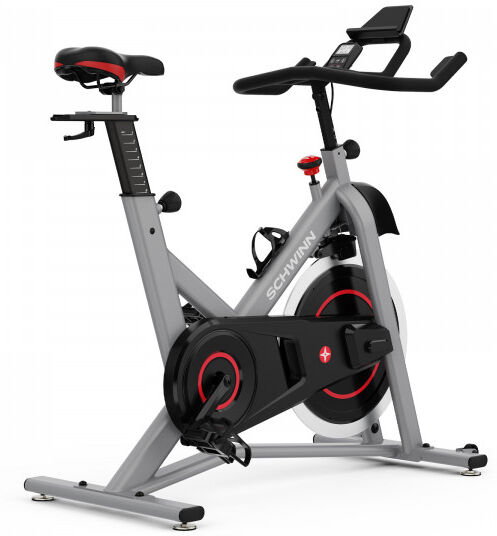
Schwinn IC3.5 Indoor CycleRide Your Way The Schwinn IC3.5 turns your own smartphone or tablet into the centre of your ride. Connect to JRNY, Peloton, Zwift or Kinomap, then choose from studio classes, scenic routes and guided workouts.Choose from 100 electronic resistance levels and change the intensity with the touch of...649,00 £*Shipping: 0,00 £Secure redirect to the provider
-
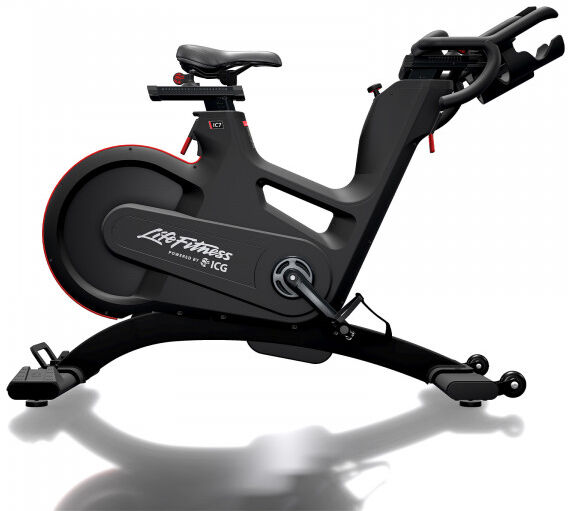
Life Fitness IC7 Indoor CycleSTUDIO CYCLING AT HOME The award-winning Life Fitness IC7 Indoor Cycle brings the challenge of group cycling to your home. Combining a modern design with an impressive range of features, the IC7 provides maximum user comfort, data exchange with external devices, and a unique set of training...2445,00 £*Shipping: 0,00 £Secure redirect to the provider
-
How does the Vitamin B12 cycle work in nature?
In nature, the Vitamin B12 cycle involves the production and utilization of Vitamin B12 by various organisms. Bacteria are primarily responsible for synthesizing Vitamin B12, which is then taken up by other organisms through consumption. Once ingested, Vitamin B12 is used in various metabolic pathways, such as DNA synthesis and energy production. Any excess Vitamin B12 is excreted back into the environment, where it can be recycled by bacteria to continue the cycle. This cycle ensures a continuous supply of Vitamin B12 for organisms that require it for their biological processes. **
-
How does human intervention affect the water cycle?
Human intervention can disrupt the water cycle in various ways. Deforestation and urbanization can lead to reduced evapotranspiration, impacting the amount of water vapor returned to the atmosphere. Pollution from industrial activities and agriculture can contaminate water sources, affecting the quality of water available for the cycle. Additionally, the construction of dams and irrigation systems can alter the natural flow of water, impacting the distribution of water across different regions. **
-
How does human interfere with the water cycle?
Human interference with the water cycle occurs through activities such as deforestation, urbanization, and industrialization. Deforestation reduces the number of trees that can absorb and release water through transpiration, disrupting the natural balance of the water cycle. Urbanization and industrialization lead to the paving over of natural surfaces, which reduces the amount of water that can infiltrate the ground and replenish groundwater. Additionally, pollution from human activities can contaminate water sources, affecting the quality and availability of water within the water cycle. **
-
How does the water cycle work in the household?
The water cycle in the household begins with water being used for various purposes such as drinking, cooking, bathing, and cleaning. After use, the water goes down the drain and enters the wastewater system. From there, it is treated and purified before being released back into the environment through rivers, lakes, or oceans. This water then evaporates due to heat from the sun, forming clouds and eventually falling back to the earth as precipitation, where it can be collected and used again in the household. This continuous cycle ensures that water is recycled and reused in the household. **
* All prices are inclusive of VAT and, if applicable, plus shipping costs. The offer information is based on the details provided by the respective shop and is updated through automated processes. Real-time updates do not occur, so deviations can occur in individual cases. ** Note: Parts of this content were created by AI.