Buy dümmer-see.eu ?
We are moving the project
dümmer-see.eu .
Are you interested in purchasing the domain
dümmer-see.eu ?
domain@kv-gmbh.de · 0541-91531010
Buy dümmer-see.eu ?
When are forests considered to be sparse forests?
Forests are considered to be sparse when the density of trees and vegetation is low, with significant gaps between individual trees and less overall coverage. This can be due to factors such as poor soil quality, limited water availability, or natural disturbances like wildfires or insect infestations. Sparse forests may also result from human activities such as logging or land clearing. In these areas, the canopy cover is less dense, allowing more light to reach the forest floor and creating a different ecological environment compared to denser forests. **
How do monoculture forests differ from natural mixed forests?
Monoculture forests are composed of a single species of tree, typically planted in rows for commercial purposes such as timber production. These forests lack the diversity of species found in natural mixed forests, which contain a variety of tree species, as well as other plants and wildlife. Natural mixed forests are more resilient to pests, diseases, and climate change, as the diversity of species provides a more stable ecosystem. Monoculture forests are more vulnerable to these threats, as a single pest or disease can devastate the entire forest. **


Similar search terms for Forests
Top-Angebote
Products related to Forests:
-
Usborne Publishing uk Ltd Usborne Flap Book See Inside Series 4 Books Collection Set (See Inside Your Body, See Inside How Things Work, See Inside The Solar System, See InsideUsborne Flap Book See Inside Series 4 Books Collection Set (See Inside Your Body, See Inside How Things Work, See Inside The Solar System, See Inside See Under the Sea) See Inside Your Body Fabulous flap book that reveals the inner workings of the human body. Bright, original colour illustrations and diagrams display all the major organs of the human body and are accompanied by witty, clear and informative text. Contains over fifty embedded flaps that children can lift to reveal extra detail. Written with expert advice from Dr. Zoe Fritz, a Consultant Physician and Director of Studies in Clinical Medicine at Cambridge University. See Inside How Things Work An amazing flap book packed with inventions, machines, gadgets and devices, and facts and information about how they work. Over 90 flaps reveal the insides of car engines, toilets, escalators, submarines and microwaves and many, many other machines. Includes internet links to websites with animations, games and experiments. See Inside The Solar System Blast off to explore our Solar System - from the fearsome heat of the Sun to the freezing distant planets, plus moons, asteroids and more. Discover how humans are planning to visit Mars, what you would weigh on Jupiter and what makes Venus so deadly. See Inside: See Under the Sea A fabulous flap book with over 80 flaps to lift and extra pages to open up to explore life under the sea. Shows coral reefs teeming with fish, the icy waters of the Arctic and the dizzying depths of ocean trenches, and shipwrecks and pirate booty too. Flaps reveal extra facts, information and surprises.21,99 £*Shipping: 2,99 £Secure redirect to the provider
-
Scholastic Party Pack: Can You See What I See? 100 Fun FindsPerfect for gifting! These party packs feature some of our most loved titles. Includes eight copies of the same book.Can You See What I See? 100 Fun Finds Read-and-Seek Party Pack: Can You See What I See? 100 Fun Finds26,99 $*Shipping: 0,00 $Secure redirect to the provider
-
Maxi-Cosi See Pro 360 Baby MonitorStay connected to your child, even when youre apart, with the See Pro 360 Baby Monitor from Maxi-Cosi. The See Pro 360 features groundbreaking CryAssist technology* powered by Zoundream, which translates your little ones cries using AI so youll know...299,99 $*Shipping: 0,00 $Secure redirect to the provider




-
Are there still forests in Germany that simply belong to nature?
Yes, there are still forests in Germany that are left to nature without human intervention. These forests are known as "Urwald" or primeval forests, and they are protected areas where natural processes are allowed to unfold without human interference. These forests play a crucial role in biodiversity conservation and are important for scientific research and understanding of natural ecosystems. Efforts are being made to expand and protect these untouched forests in Germany. **
-
Will our forests survive?
The survival of our forests depends on the actions we take to protect and preserve them. Deforestation, climate change, and unsustainable logging practices are major threats to our forests. By implementing sustainable forest management practices, protecting biodiversity, and combating climate change, we can help ensure the survival of our forests for future generations. It is crucial that we prioritize conservation efforts and work together to protect these vital ecosystems. **
-
How does the pH value differ in coniferous forests and deciduous forests?
The pH value in coniferous forests tends to be more acidic, typically ranging from 4.5 to 6.0, due to the accumulation of acidic needles and organic matter from the trees. In contrast, the pH value in deciduous forests is generally more neutral, ranging from 6.0 to 7.5, as the fallen leaves and organic matter from deciduous trees tend to have a less acidic impact on the soil. This difference in pH levels can affect the types of plants and organisms that thrive in each type of forest ecosystem. **
-
Who is afraid of forests?
Many people have a fear of forests, known as sylvaphobia. This fear can stem from a variety of reasons, including the fear of getting lost, encountering wild animals, or the feeling of being surrounded by dense, unfamiliar vegetation. Additionally, some people may have a fear of the unknown or a general sense of unease in natural, isolated environments. Overall, the fear of forests can be attributed to a combination of personal experiences, cultural influences, and individual perceptions of the natural world. **

What's new in the forests?
In the forests, there are always new developments and changes happening. Some of the recent updates include the growth of new vegetation as the seasons change, the arrival of migratory birds and animals, and the ongoing cycle of decay and regeneration. Additionally, there may be changes in the forest ecosystem due to natural disturbances such as wildfires or human activities. Overall, the forests are dynamic environments with constantly evolving conditions and new occurrences. **
What are forests in biology?
Forests are large areas of land dominated by trees and other woody vegetation. In biology, forests are important ecosystems that support a wide variety of plant and animal species. They play a crucial role in regulating the Earth's climate, as they absorb carbon dioxide and release oxygen through the process of photosynthesis. Forests also provide numerous ecosystem services, such as water purification, soil stabilization, and habitat for wildlife. **
Top-Angebote
Products related to Forests:
-
Uplifted Finds Forests Familys Animal Figure With Movable Limbs And Phone Stand Holder catAdd a touch of whimsical charm to your workspace with this adorable Forests Familys animal figure. Standing at 21cm, this multifunctional ornament is designed with movable limbs, allowing you to pose your favorite character in various cute...79,97 $*Shipping: 0,00 $Secure redirect to the provider
-
Usborne Publishing uk Ltd Usborne Flap Book See Inside Series 4 Books Collection Set (See Inside Your Body, See Inside How Things Work, See Inside The Solar System, See InsideUsborne Flap Book See Inside Series 4 Books Collection Set (See Inside Your Body, See Inside How Things Work, See Inside The Solar System, See Inside See Under the Sea) See Inside Your Body Fabulous flap book that reveals the inner workings of the human body. Bright, original colour illustrations and diagrams display all the major organs of the human body and are accompanied by witty, clear and informative text. Contains over fifty embedded flaps that children can lift to reveal extra detail. Written with expert advice from Dr. Zoe Fritz, a Consultant Physician and Director of Studies in Clinical Medicine at Cambridge University. See Inside How Things Work An amazing flap book packed with inventions, machines, gadgets and devices, and facts and information about how they work. Over 90 flaps reveal the insides of car engines, toilets, escalators, submarines and microwaves and many, many other machines. Includes internet links to websites with animations, games and experiments. See Inside The Solar System Blast off to explore our Solar System - from the fearsome heat of the Sun to the freezing distant planets, plus moons, asteroids and more. Discover how humans are planning to visit Mars, what you would weigh on Jupiter and what makes Venus so deadly. See Inside: See Under the Sea A fabulous flap book with over 80 flaps to lift and extra pages to open up to explore life under the sea. Shows coral reefs teeming with fish, the icy waters of the Arctic and the dizzying depths of ocean trenches, and shipwrecks and pirate booty too. Flaps reveal extra facts, information and surprises.21,99 £*Shipping: 2,99 £Secure redirect to the provider
-
Scholastic Party Pack: Can You See What I See? 100 Fun FindsPerfect for gifting! These party packs feature some of our most loved titles. Includes eight copies of the same book.Can You See What I See? 100 Fun Finds Read-and-Seek Party Pack: Can You See What I See? 100 Fun Finds26,99 $*Shipping: 0,00 $Secure redirect to the provider
-
When are forests considered to be sparse forests?
Forests are considered to be sparse when the density of trees and vegetation is low, with significant gaps between individual trees and less overall coverage. This can be due to factors such as poor soil quality, limited water availability, or natural disturbances like wildfires or insect infestations. Sparse forests may also result from human activities such as logging or land clearing. In these areas, the canopy cover is less dense, allowing more light to reach the forest floor and creating a different ecological environment compared to denser forests. **
-
How do monoculture forests differ from natural mixed forests?
Monoculture forests are composed of a single species of tree, typically planted in rows for commercial purposes such as timber production. These forests lack the diversity of species found in natural mixed forests, which contain a variety of tree species, as well as other plants and wildlife. Natural mixed forests are more resilient to pests, diseases, and climate change, as the diversity of species provides a more stable ecosystem. Monoculture forests are more vulnerable to these threats, as a single pest or disease can devastate the entire forest. **
-
Are there still forests in Germany that simply belong to nature?
Yes, there are still forests in Germany that are left to nature without human intervention. These forests are known as "Urwald" or primeval forests, and they are protected areas where natural processes are allowed to unfold without human interference. These forests play a crucial role in biodiversity conservation and are important for scientific research and understanding of natural ecosystems. Efforts are being made to expand and protect these untouched forests in Germany. **
-
Will our forests survive?
The survival of our forests depends on the actions we take to protect and preserve them. Deforestation, climate change, and unsustainable logging practices are major threats to our forests. By implementing sustainable forest management practices, protecting biodiversity, and combating climate change, we can help ensure the survival of our forests for future generations. It is crucial that we prioritize conservation efforts and work together to protect these vital ecosystems. **
Similar search terms for Forests
-
Maxi-Cosi See Pro 360 Baby MonitorStay connected to your child, even when youre apart, with the See Pro 360 Baby Monitor from Maxi-Cosi. The See Pro 360 features groundbreaking CryAssist technology* powered by Zoundream, which translates your little ones cries using AI so youll know...299,99 $*Shipping: 0,00 $Secure redirect to the provider
-
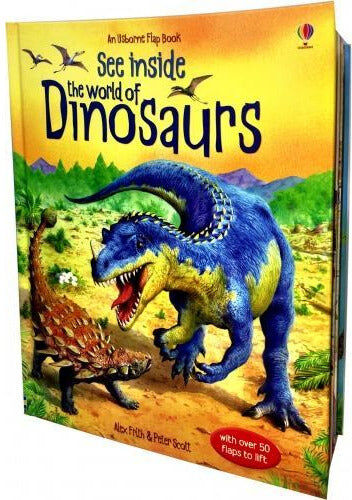
Usborne See Inside - The World Of DinosaursA fabulous flap book with over 50 flaps to lift, offering a glimpse into the prehistoric world of the dinosaurs. Stunning illustrations show how dinosaurs lived, hunted and how they died out. Flaps reveal extra facts, information and surprises. Chapters in this book include: - The great dinosaur puzzle - Life begins... - Dawn of the dinosaurs - Giant footsteps - Strange decorations - Fearsome battles - Where did they all go? - Dinosaurs today - Who's who Related Tags: Usborne, Usbourne6,99 £*Shipping: 2,99 £Secure redirect to the provider
-
Cuisinart Pasta Extruder Attachment - See Compatible modelsOur Pasta Extruder Attachment lets you turn your Precision Master Stand Mixer into a kitchen workhorse, whipping up fresh batches of pasta for family and friends. Makes macaroni, spaghetti, rigatoni, fusilli, and more. Bellissimo!169,95 $*Shipping: 0,00 $Secure redirect to the provider
-
How does the pH value differ in coniferous forests and deciduous forests?
The pH value in coniferous forests tends to be more acidic, typically ranging from 4.5 to 6.0, due to the accumulation of acidic needles and organic matter from the trees. In contrast, the pH value in deciduous forests is generally more neutral, ranging from 6.0 to 7.5, as the fallen leaves and organic matter from deciduous trees tend to have a less acidic impact on the soil. This difference in pH levels can affect the types of plants and organisms that thrive in each type of forest ecosystem. **
-
Who is afraid of forests?
Many people have a fear of forests, known as sylvaphobia. This fear can stem from a variety of reasons, including the fear of getting lost, encountering wild animals, or the feeling of being surrounded by dense, unfamiliar vegetation. Additionally, some people may have a fear of the unknown or a general sense of unease in natural, isolated environments. Overall, the fear of forests can be attributed to a combination of personal experiences, cultural influences, and individual perceptions of the natural world. **
-
What's new in the forests?
In the forests, there are always new developments and changes happening. Some of the recent updates include the growth of new vegetation as the seasons change, the arrival of migratory birds and animals, and the ongoing cycle of decay and regeneration. Additionally, there may be changes in the forest ecosystem due to natural disturbances such as wildfires or human activities. Overall, the forests are dynamic environments with constantly evolving conditions and new occurrences. **
-
What are forests in biology?
Forests are large areas of land dominated by trees and other woody vegetation. In biology, forests are important ecosystems that support a wide variety of plant and animal species. They play a crucial role in regulating the Earth's climate, as they absorb carbon dioxide and release oxygen through the process of photosynthesis. Forests also provide numerous ecosystem services, such as water purification, soil stabilization, and habitat for wildlife. **
* All prices are inclusive of VAT and, if applicable, plus shipping costs. The offer information is based on the details provided by the respective shop and is updated through automated processes. Real-time updates do not occur, so deviations can occur in individual cases. ** Note: Parts of this content were created by AI.