Buy dümmer-see.eu ?
We are moving the project
dümmer-see.eu .
Are you interested in purchasing the domain
dümmer-see.eu ?
domain@kv-gmbh.de · 0541-91531010
Buy dümmer-see.eu ?
What are irises?
Irises are flowering plants that belong to the Iridaceae family. They are known for their showy, colorful flowers that come in a wide range of hues, including purple, blue, white, and yellow. Irises are popular garden plants due to their beauty and variety, and they are often used in landscaping and floral arrangements. **
'Lower classifications of irises'
Lower classifications of irises refer to the different species, varieties, and cultivars within the Iris genus. These lower classifications help to categorize irises based on specific characteristics such as color, size, and growth habits. Some common lower classifications of irises include bearded irises, Siberian irises, and Japanese irises. Each of these classifications has its own unique features and requirements for care and cultivation. **

Similar search terms for Irises
Top-Angebote
Products related to Irises:
-
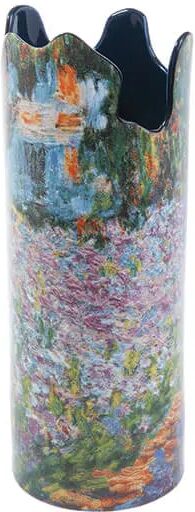
John Beswick Monet Irises in Garden VaseThe Monet Irises in Garden Vase brings a touch of artistic elegance to your living space, perfect for displaying fresh or dried flowers. Inspired by Monet’s iconic artwork, this vase makes a striking centrepiece for your home. Its graceful design enhances any room, adding colour and character whether used alone or filled with floral arrangements.55,00 £*Shipping: 0,00 £Secure redirect to the provider



-
When are irises planted?
Irises are typically planted in late summer or early fall, around August to October, depending on the specific variety and location. This timing allows the irises to establish their roots before the winter months and ensures they will bloom in the spring or early summer. **
-
Lower classifications of irises
Lower classifications of irises include the following categories: 1. Subgenus: This is a taxonomic rank below the genus level and is used to group species within a genus based on shared characteristics. 2. Section: This is a taxonomic rank below the subgenus level and is used to further classify species within a subgenus based on specific characteristics. 3. Series: This is a taxonomic rank below the section level and is used to group species within a section based on even more specific characteristics. 4. Subsection: This is a taxonomic rank below the series level and is used to further classify species within a series based on additional characteristics. Overall, these lower classifications help botanists and horticulturists organize and categorize the diverse range of iris species based on their unique traits and characteristics. **
-
Which irises are these?
These irises appear to be bearded irises, which are characterized by the fuzzy "beard" on the lower petal of the flower. Bearded irises are a popular garden plant and come in a wide range of colors, including purple, white, yellow, and blue. They are known for their striking appearance and are often used in landscaping and flower arrangements. **
-
When can you transplant irises?
Irises can be transplanted in late summer to early fall, after they have finished blooming. This allows the plants to establish themselves in their new location before the winter months. **


Are irises good for bees, and if so, which species?
Irises are good for bees as they provide a good source of nectar and pollen. Bearded irises, in particular, are known to attract bees with their vibrant colors and sweet fragrance. Other species of irises, such as Dutch irises and Siberian irises, also attract bees and other pollinators to the garden. Overall, planting a variety of iris species can help support bee populations by providing them with a rich source of food. **
How is parking regulated at Lake Dümmer?
Parking at Lake Dümmer is regulated through designated parking areas and parking regulations enforced by local authorities. There are specific parking lots and areas designated for visitors to park their vehicles, and parking is not allowed in certain areas to protect the natural environment. Additionally, there may be time limits or fees associated with parking in certain areas around the lake. Visitors are encouraged to follow the parking regulations to ensure the safety and preservation of the area. **
Top-Angebote
Products related to Irises:
-
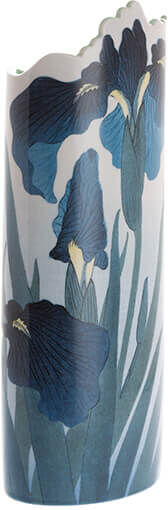
John Beswick Koson Irises VaseThe Koson Irises Vase brings a refined touch to any room, offering a stylish way to display your favourite flowers or enhance your décor. Perfect for adding character to your living space, this elegant vase complements both modern and classic interiors. Its versatile design makes it a lovely centrepiece for everyday use or special occasions.55,00 £*Shipping: 0,00 £Secure redirect to the provider
-
John Beswick Van Gogh Irises VaseThe Van Gogh Irises Vase brings a touch of artistic elegance to your home, inspired by the iconic Irises painting for a distinctive display piece. Showcasing a design influenced by Van Gogh’s celebrated artwork, this vase adds character and colour to any room. It’s perfect for displaying fresh flowers or as a striking decorative accent, helping you create a welcoming atmosphere with ease.55,00 £*Shipping: 0,00 £Secure redirect to the provider
-
John Beswick Monet Irises in Garden VaseThe Monet Irises in Garden Vase brings a touch of artistic elegance to your living space, perfect for displaying fresh or dried flowers. Inspired by Monet’s iconic artwork, this vase makes a striking centrepiece for your home. Its graceful design enhances any room, adding colour and character whether used alone or filled with floral arrangements.55,00 £*Shipping: 0,00 £Secure redirect to the provider
-
What are irises?
Irises are flowering plants that belong to the Iridaceae family. They are known for their showy, colorful flowers that come in a wide range of hues, including purple, blue, white, and yellow. Irises are popular garden plants due to their beauty and variety, and they are often used in landscaping and floral arrangements. **
-
'Lower classifications of irises'
Lower classifications of irises refer to the different species, varieties, and cultivars within the Iris genus. These lower classifications help to categorize irises based on specific characteristics such as color, size, and growth habits. Some common lower classifications of irises include bearded irises, Siberian irises, and Japanese irises. Each of these classifications has its own unique features and requirements for care and cultivation. **
-
When are irises planted?
Irises are typically planted in late summer or early fall, around August to October, depending on the specific variety and location. This timing allows the irises to establish their roots before the winter months and ensures they will bloom in the spring or early summer. **
-
Lower classifications of irises
Lower classifications of irises include the following categories: 1. Subgenus: This is a taxonomic rank below the genus level and is used to group species within a genus based on shared characteristics. 2. Section: This is a taxonomic rank below the subgenus level and is used to further classify species within a subgenus based on specific characteristics. 3. Series: This is a taxonomic rank below the section level and is used to group species within a section based on even more specific characteristics. 4. Subsection: This is a taxonomic rank below the series level and is used to further classify species within a series based on additional characteristics. Overall, these lower classifications help botanists and horticulturists organize and categorize the diverse range of iris species based on their unique traits and characteristics. **
Similar search terms for Irises
-
Usborne Publishing uk Ltd Usborne Flap Book See Inside Series 4 Books Collection Set (See Inside Your Body, See Inside How Things Work, See Inside The Solar System, See InsideUsborne Flap Book See Inside Series 4 Books Collection Set (See Inside Your Body, See Inside How Things Work, See Inside The Solar System, See Inside See Under the Sea) See Inside Your Body Fabulous flap book that reveals the inner workings of the human body. Bright, original colour illustrations and diagrams display all the major organs of the human body and are accompanied by witty, clear and informative text. Contains over fifty embedded flaps that children can lift to reveal extra detail. Written with expert advice from Dr. Zoe Fritz, a Consultant Physician and Director of Studies in Clinical Medicine at Cambridge University. See Inside How Things Work An amazing flap book packed with inventions, machines, gadgets and devices, and facts and information about how they work. Over 90 flaps reveal the insides of car engines, toilets, escalators, submarines and microwaves and many, many other machines. Includes internet links to websites with animations, games and experiments. See Inside The Solar System Blast off to explore our Solar System - from the fearsome heat of the Sun to the freezing distant planets, plus moons, asteroids and more. Discover how humans are planning to visit Mars, what you would weigh on Jupiter and what makes Venus so deadly. See Inside: See Under the Sea A fabulous flap book with over 80 flaps to lift and extra pages to open up to explore life under the sea. Shows coral reefs teeming with fish, the icy waters of the Arctic and the dizzying depths of ocean trenches, and shipwrecks and pirate booty too. Flaps reveal extra facts, information and surprises.21,99 £*Shipping: 2,99 £Secure redirect to the provider
-
Which irises are these?
These irises appear to be bearded irises, which are characterized by the fuzzy "beard" on the lower petal of the flower. Bearded irises are a popular garden plant and come in a wide range of colors, including purple, white, yellow, and blue. They are known for their striking appearance and are often used in landscaping and flower arrangements. **
-
When can you transplant irises?
Irises can be transplanted in late summer to early fall, after they have finished blooming. This allows the plants to establish themselves in their new location before the winter months. **
-
Are irises good for bees, and if so, which species?
Irises are good for bees as they provide a good source of nectar and pollen. Bearded irises, in particular, are known to attract bees with their vibrant colors and sweet fragrance. Other species of irises, such as Dutch irises and Siberian irises, also attract bees and other pollinators to the garden. Overall, planting a variety of iris species can help support bee populations by providing them with a rich source of food. **
-
How is parking regulated at Lake Dümmer?
Parking at Lake Dümmer is regulated through designated parking areas and parking regulations enforced by local authorities. There are specific parking lots and areas designated for visitors to park their vehicles, and parking is not allowed in certain areas to protect the natural environment. Additionally, there may be time limits or fees associated with parking in certain areas around the lake. Visitors are encouraged to follow the parking regulations to ensure the safety and preservation of the area. **
* All prices are inclusive of VAT and, if applicable, plus shipping costs. The offer information is based on the details provided by the respective shop and is updated through automated processes. Real-time updates do not occur, so deviations can occur in individual cases. ** Note: Parts of this content were created by AI.