Buy dümmer-see.eu ?
We are moving the project
dümmer-see.eu .
Are you interested in purchasing the domain
dümmer-see.eu ?
domain@kv-gmbh.de · 0541-91531010
Buy dümmer-see.eu ?
Are wages liabilities?
Yes, wages are considered liabilities for a company because they represent an obligation to pay employees for their work. From an accounting perspective, wages are typically recorded as a liability on the company's balance sheet until they are paid to the employees. This reflects the company's obligation to fulfill its financial commitments to its employees. Therefore, wages are classified as a liability until they are settled. **
What are liabilities and receivables?
Liabilities are obligations or debts that a company owes to external parties, such as loans, accounts payable, or accrued expenses. They represent the company's financial responsibilities that must be settled in the future. Receivables, on the other hand, are amounts owed to a company by its customers or other parties for goods or services provided. They represent the company's right to receive payment and are considered assets on the company's balance sheet. Both liabilities and receivables are important components of a company's financial position and are crucial for assessing its overall financial health. **

Similar search terms for Liabilities
Top-Angebote
Products related to Liabilities:
-
Scholastic Party Pack: Can You See What I See? 100 Fun FindsPerfect for gifting! These party packs feature some of our most loved titles. Includes eight copies of the same book.Can You See What I See? 100 Fun Finds Read-and-Seek Party Pack: Can You See What I See? 100 Fun Finds26,99 $*Shipping: 0,00 $Secure redirect to the provider
-
Cuisinart Pasta Extruder Attachment - See Compatible modelsOur Pasta Extruder Attachment lets you turn your Precision Master Stand Mixer into a kitchen workhorse, whipping up fresh batches of pasta for family and friends. Makes macaroni, spaghetti, rigatoni, fusilli, and more. Bellissimo!169,95 $*Shipping: 0,00 $Secure redirect to the provider
-
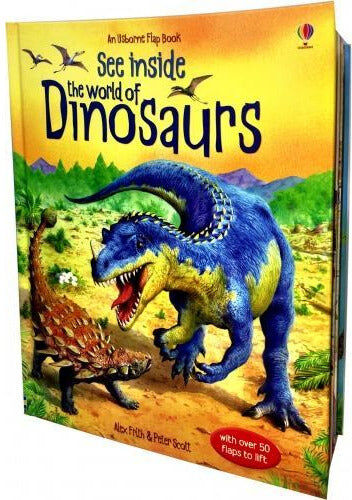
Usborne See Inside - The World Of DinosaursA fabulous flap book with over 50 flaps to lift, offering a glimpse into the prehistoric world of the dinosaurs. Stunning illustrations show how dinosaurs lived, hunted and how they died out. Flaps reveal extra facts, information and surprises. Chapters in this book include: - The great dinosaur puzzle - Life begins... - Dawn of the dinosaurs - Giant footsteps - Strange decorations - Fearsome battles - Where did they all go? - Dinosaurs today - Who's who Related Tags: Usborne, Usbourne6,99 £*Shipping: 2,99 £Secure redirect to the provider



-
Why is equity on the liabilities side?
Equity is placed on the liabilities side of the balance sheet because it represents the claims of the company's owners or shareholders on the company's assets. It is considered a liability because the company has an obligation to its owners to repay their investment in the business. However, unlike other liabilities, equity does not have a fixed repayment schedule and is considered a residual claim, meaning it is only paid out after all other liabilities have been settled. Therefore, equity is categorized as a liability on the balance sheet to accurately reflect the financial obligations of the company. **
-
What are transitory assets and/or liabilities?
Transitory assets and/or liabilities are items on a company's balance sheet that are expected to be settled or used up within a relatively short period of time, typically within one year. These items are considered to be temporary in nature and are not expected to have a long-term impact on the company's financial position. Examples of transitory assets include cash, accounts receivable, and inventory, while examples of transitory liabilities include accounts payable and short-term debt. It is important for investors and analysts to understand the nature of these transitory items when evaluating a company's financial health and performance. **
-
How are the assets and liabilities evaluated?
Assets and liabilities are evaluated based on their current market value or book value. For assets, this means determining their fair market value, which is the price that they could be sold for in the current market. Liabilities are evaluated based on their current outstanding balance or the amount that is owed. This evaluation helps to determine the financial health and position of a company, as well as its ability to meet its financial obligations. **
-
How can accounting, liabilities, and receivables be interconnected?
Accounting, liabilities, and receivables are interconnected in the sense that they all play a role in a company's financial health. Liabilities are debts or obligations that a company owes, which are recorded on the balance sheet as part of the accounting process. Receivables, on the other hand, represent money owed to the company by its customers or clients, and are also recorded on the balance sheet as assets. The relationship between these two is that receivables can eventually become liabilities if they are not collected in a timely manner, which can impact the company's financial position. Therefore, proper accounting practices are essential to accurately track and manage both liabilities and receivables to ensure the company's financial stability. **

What is a statement of assets and liabilities?
A statement of assets and liabilities is a financial document that provides a snapshot of an individual's or organization's financial position at a specific point in time. It lists all the assets, such as cash, investments, property, and equipment, as well as all the liabilities, such as loans, mortgages, and other debts. The statement helps to assess the overall financial health and solvency of the entity by comparing the total assets to the total liabilities. It is an essential tool for financial planning, decision-making, and assessing the ability to meet financial obligations. **
How can liabilities be settled in other ways?
Liabilities can be settled in other ways through various means such as debt restructuring, where the terms of the debt are renegotiated to make it more manageable for the debtor. Another way is through debt-for-equity swaps, where the creditor agrees to convert the debt into an ownership stake in the debtor's company. Additionally, liabilities can be settled through the sale of assets, where the debtor sells off assets to generate cash to pay off the liabilities. Finally, some liabilities can be settled through the issuance of new debt to replace the existing liabilities, known as refinancing. **
Top-Angebote
Products related to Liabilities:
-
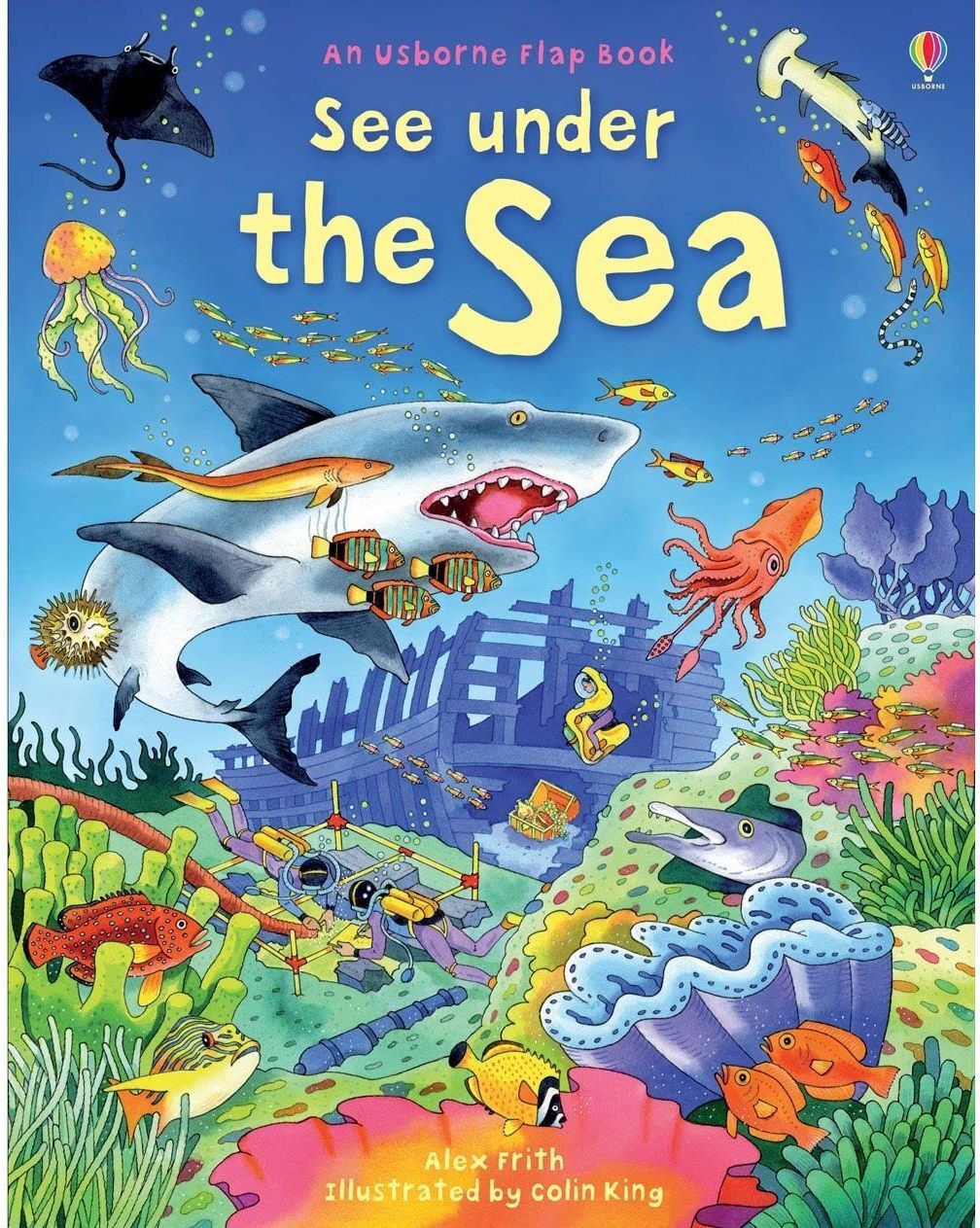
Usborne Publishing uk Ltd Usborne Flap Book See Inside Series 4 Books Collection Set (See Inside Your Body, See Inside How Things Work, See Inside The Solar System, See InsideUsborne Flap Book See Inside Series 4 Books Collection Set (See Inside Your Body, See Inside How Things Work, See Inside The Solar System, See Inside See Under the Sea) See Inside Your Body Fabulous flap book that reveals the inner workings of the human body. Bright, original colour illustrations and diagrams display all the major organs of the human body and are accompanied by witty, clear and informative text. Contains over fifty embedded flaps that children can lift to reveal extra detail. Written with expert advice from Dr. Zoe Fritz, a Consultant Physician and Director of Studies in Clinical Medicine at Cambridge University. See Inside How Things Work An amazing flap book packed with inventions, machines, gadgets and devices, and facts and information about how they work. Over 90 flaps reveal the insides of car engines, toilets, escalators, submarines and microwaves and many, many other machines. Includes internet links to websites with animations, games and experiments. See Inside The Solar System Blast off to explore our Solar System - from the fearsome heat of the Sun to the freezing distant planets, plus moons, asteroids and more. Discover how humans are planning to visit Mars, what you would weigh on Jupiter and what makes Venus so deadly. See Inside: See Under the Sea A fabulous flap book with over 80 flaps to lift and extra pages to open up to explore life under the sea. Shows coral reefs teeming with fish, the icy waters of the Arctic and the dizzying depths of ocean trenches, and shipwrecks and pirate booty too. Flaps reveal extra facts, information and surprises.21,99 £*Shipping: 2,99 £Secure redirect to the provider
-
Scholastic Party Pack: Can You See What I See? 100 Fun FindsPerfect for gifting! These party packs feature some of our most loved titles. Includes eight copies of the same book.Can You See What I See? 100 Fun Finds Read-and-Seek Party Pack: Can You See What I See? 100 Fun Finds26,99 $*Shipping: 0,00 $Secure redirect to the provider
-
Are wages liabilities?
Yes, wages are considered liabilities for a company because they represent an obligation to pay employees for their work. From an accounting perspective, wages are typically recorded as a liability on the company's balance sheet until they are paid to the employees. This reflects the company's obligation to fulfill its financial commitments to its employees. Therefore, wages are classified as a liability until they are settled. **
-
What are liabilities and receivables?
Liabilities are obligations or debts that a company owes to external parties, such as loans, accounts payable, or accrued expenses. They represent the company's financial responsibilities that must be settled in the future. Receivables, on the other hand, are amounts owed to a company by its customers or other parties for goods or services provided. They represent the company's right to receive payment and are considered assets on the company's balance sheet. Both liabilities and receivables are important components of a company's financial position and are crucial for assessing its overall financial health. **
-
Why is equity on the liabilities side?
Equity is placed on the liabilities side of the balance sheet because it represents the claims of the company's owners or shareholders on the company's assets. It is considered a liability because the company has an obligation to its owners to repay their investment in the business. However, unlike other liabilities, equity does not have a fixed repayment schedule and is considered a residual claim, meaning it is only paid out after all other liabilities have been settled. Therefore, equity is categorized as a liability on the balance sheet to accurately reflect the financial obligations of the company. **
-
What are transitory assets and/or liabilities?
Transitory assets and/or liabilities are items on a company's balance sheet that are expected to be settled or used up within a relatively short period of time, typically within one year. These items are considered to be temporary in nature and are not expected to have a long-term impact on the company's financial position. Examples of transitory assets include cash, accounts receivable, and inventory, while examples of transitory liabilities include accounts payable and short-term debt. It is important for investors and analysts to understand the nature of these transitory items when evaluating a company's financial health and performance. **
Similar search terms for Liabilities
-
Cuisinart Pasta Extruder Attachment - See Compatible modelsOur Pasta Extruder Attachment lets you turn your Precision Master Stand Mixer into a kitchen workhorse, whipping up fresh batches of pasta for family and friends. Makes macaroni, spaghetti, rigatoni, fusilli, and more. Bellissimo!169,95 $*Shipping: 0,00 $Secure redirect to the provider
-
Usborne See Inside - The World Of DinosaursA fabulous flap book with over 50 flaps to lift, offering a glimpse into the prehistoric world of the dinosaurs. Stunning illustrations show how dinosaurs lived, hunted and how they died out. Flaps reveal extra facts, information and surprises. Chapters in this book include: - The great dinosaur puzzle - Life begins... - Dawn of the dinosaurs - Giant footsteps - Strange decorations - Fearsome battles - Where did they all go? - Dinosaurs today - Who's who Related Tags: Usborne, Usbourne6,99 £*Shipping: 2,99 £Secure redirect to the provider
-
Usborne See Under the Sea by Kate DaviesSee Under the Sea A fabulous flap book with over 80 flaps to lift and extra pages to open up to explore life under the sea. Shows coral reefs teeming with fish, the icy waters of the Arctic and the dizzying depths of ocean trenches, and shipwrecks and pirate booty too. Flaps reveal extra facts, information and surprises.6,90 £*Shipping: 2,99 £Secure redirect to the provider
-
How are the assets and liabilities evaluated?
Assets and liabilities are evaluated based on their current market value or book value. For assets, this means determining their fair market value, which is the price that they could be sold for in the current market. Liabilities are evaluated based on their current outstanding balance or the amount that is owed. This evaluation helps to determine the financial health and position of a company, as well as its ability to meet its financial obligations. **
-
How can accounting, liabilities, and receivables be interconnected?
Accounting, liabilities, and receivables are interconnected in the sense that they all play a role in a company's financial health. Liabilities are debts or obligations that a company owes, which are recorded on the balance sheet as part of the accounting process. Receivables, on the other hand, represent money owed to the company by its customers or clients, and are also recorded on the balance sheet as assets. The relationship between these two is that receivables can eventually become liabilities if they are not collected in a timely manner, which can impact the company's financial position. Therefore, proper accounting practices are essential to accurately track and manage both liabilities and receivables to ensure the company's financial stability. **
-
What is a statement of assets and liabilities?
A statement of assets and liabilities is a financial document that provides a snapshot of an individual's or organization's financial position at a specific point in time. It lists all the assets, such as cash, investments, property, and equipment, as well as all the liabilities, such as loans, mortgages, and other debts. The statement helps to assess the overall financial health and solvency of the entity by comparing the total assets to the total liabilities. It is an essential tool for financial planning, decision-making, and assessing the ability to meet financial obligations. **
-
How can liabilities be settled in other ways?
Liabilities can be settled in other ways through various means such as debt restructuring, where the terms of the debt are renegotiated to make it more manageable for the debtor. Another way is through debt-for-equity swaps, where the creditor agrees to convert the debt into an ownership stake in the debtor's company. Additionally, liabilities can be settled through the sale of assets, where the debtor sells off assets to generate cash to pay off the liabilities. Finally, some liabilities can be settled through the issuance of new debt to replace the existing liabilities, known as refinancing. **
* All prices are inclusive of VAT and, if applicable, plus shipping costs. The offer information is based on the details provided by the respective shop and is updated through automated processes. Real-time updates do not occur, so deviations can occur in individual cases. ** Note: Parts of this content were created by AI.