Buy dümmer-see.eu ?
We are moving the project
dümmer-see.eu .
Are you interested in purchasing the domain
dümmer-see.eu ?
domain@kv-gmbh.de · 0541-91531010
Buy dümmer-see.eu ?
Which English adjectives end in -ly?
Adjectives that end in -ly in English are typically formed from adverbs by adding the suffix -ly. For example, "friendly," "lovely," "silly," and "lively" are all adjectives that end in -ly. These adjectives are used to describe the characteristics or qualities of nouns in a more specific and nuanced way. It's important to note that not all adjectives ending in -ly are formed from adverbs, as there are some exceptions to this rule. **
Which adjectives in English end in -ly?
In English, adjectives that end in -ly are formed from adverbs. Some examples of adjectives that end in -ly include friendly, lovely, and silly. These adjectives describe characteristics or qualities of nouns in a more specific manner. **


Similar search terms for Pavilion-Bear-ly-Awake-Royal
Top-Angebote
Products related to Pavilion-Bear-ly-Awake-Royal:
-
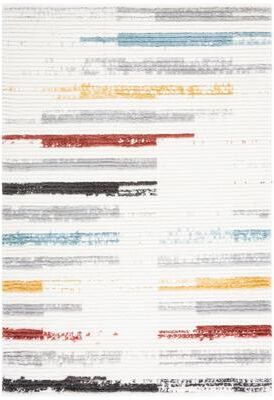
Pavilion Amazing Mom Royal Plush BlanketWrap yourself in cozy elegance with this ultra-soft floral plush blanket. Made from 320 gsm royal plush polyester, it features a charming vintage floral pattern and embroidered “Love Lives Here” silk patch.30,00 $*Shipping: 0,00 $Secure redirect to the provider


-
How do you neutralize royal water?
To neutralize royal water, a mixture of nitric acid and hydrochloric acid, you can slowly add a base such as sodium bicarbonate or sodium hydroxide to the solution. This will help to raise the pH level and reduce the acidity of the royal water. It is important to add the base slowly and carefully to avoid any violent reactions or splashing. Once the pH level is neutralized, the solution can be safely disposed of according to local regulations. **
-
Can you please tell me what "ly" means?
"Ly" is a suffix commonly added to adjectives to form adverbs. Adverbs modify verbs, adjectives, or other adverbs, and often indicate how, when, where, or to what extent something is happening. For example, the adjective "quick" becomes the adverb "quickly" when "ly" is added, indicating how something is done. **
-
How did royal families become royal families?
Royal families typically became royal through a combination of factors such as inheritance, conquest, marriage alliances, and divine right. In many cases, royal families were established through hereditary succession, where power and titles were passed down from one generation to the next within a specific family lineage. Additionally, royal families often solidified their status through strategic marriages with other noble families to strengthen their political influence and territorial control. Some royal families also claimed their right to rule based on the belief in divine right, asserting that their authority was granted by a higher power. Over time, these various factors contributed to the establishment and perpetuation of royal families across different cultures and regions. **
-
When do I use the -ly forms in English?
The -ly forms in English are used to turn adjectives into adverbs. Adverbs are used to modify verbs, adjectives, or other adverbs, and they often answer the question of how, when, where, or to what extent something is done. For example, the adjective "quick" becomes the adverb "quickly" when adding -ly, as in "She ran quickly." Adverbs are also used to express frequency, manner, time, place, or degree in a sentence. **
When do you add an 'ly' to a word?
You add "ly" to a word when you want to turn an adjective into an adverb. Adverbs are used to modify verbs, adjectives, or other adverbs, and they often answer the question of how, when, where, or to what extent something is done. For example, the adjective "quick" becomes the adverb "quickly" when you add "ly" to it. **
When do you add "ly" to your English words?
You add "ly" to English words to form adverbs, which are used to modify verbs, adjectives, or other adverbs. For example, "quick" becomes "quickly" and "happy" becomes "happily." Adverbs typically answer questions such as how, when, where, or to what extent an action is performed. Adding "ly" to a word is a common way to create adverbs in English. **
Top-Angebote
Products related to Pavilion-Bear-ly-Awake-Royal:
-
Pavilion Amazing Mom Royal Plush BlanketWrap yourself in cozy elegance with this ultra-soft floral plush blanket. Made from 320 gsm royal plush polyester, it features a charming vintage floral pattern and embroidered “Love Lives Here” silk patch.30,00 $*Shipping: 0,00 $Secure redirect to the provider
-
Which English adjectives end in -ly?
Adjectives that end in -ly in English are typically formed from adverbs by adding the suffix -ly. For example, "friendly," "lovely," "silly," and "lively" are all adjectives that end in -ly. These adjectives are used to describe the characteristics or qualities of nouns in a more specific and nuanced way. It's important to note that not all adjectives ending in -ly are formed from adverbs, as there are some exceptions to this rule. **
-
Which adjectives in English end in -ly?
In English, adjectives that end in -ly are formed from adverbs. Some examples of adjectives that end in -ly include friendly, lovely, and silly. These adjectives describe characteristics or qualities of nouns in a more specific manner. **
-
How do you neutralize royal water?
To neutralize royal water, a mixture of nitric acid and hydrochloric acid, you can slowly add a base such as sodium bicarbonate or sodium hydroxide to the solution. This will help to raise the pH level and reduce the acidity of the royal water. It is important to add the base slowly and carefully to avoid any violent reactions or splashing. Once the pH level is neutralized, the solution can be safely disposed of according to local regulations. **
-
Can you please tell me what "ly" means?
"Ly" is a suffix commonly added to adjectives to form adverbs. Adverbs modify verbs, adjectives, or other adverbs, and often indicate how, when, where, or to what extent something is happening. For example, the adjective "quick" becomes the adverb "quickly" when "ly" is added, indicating how something is done. **
Similar search terms for Pavilion-Bear-ly-Awake-Royal
-
How did royal families become royal families?
Royal families typically became royal through a combination of factors such as inheritance, conquest, marriage alliances, and divine right. In many cases, royal families were established through hereditary succession, where power and titles were passed down from one generation to the next within a specific family lineage. Additionally, royal families often solidified their status through strategic marriages with other noble families to strengthen their political influence and territorial control. Some royal families also claimed their right to rule based on the belief in divine right, asserting that their authority was granted by a higher power. Over time, these various factors contributed to the establishment and perpetuation of royal families across different cultures and regions. **
-
When do I use the -ly forms in English?
The -ly forms in English are used to turn adjectives into adverbs. Adverbs are used to modify verbs, adjectives, or other adverbs, and they often answer the question of how, when, where, or to what extent something is done. For example, the adjective "quick" becomes the adverb "quickly" when adding -ly, as in "She ran quickly." Adverbs are also used to express frequency, manner, time, place, or degree in a sentence. **
-
When do you add an 'ly' to a word?
You add "ly" to a word when you want to turn an adjective into an adverb. Adverbs are used to modify verbs, adjectives, or other adverbs, and they often answer the question of how, when, where, or to what extent something is done. For example, the adjective "quick" becomes the adverb "quickly" when you add "ly" to it. **
-
When do you add "ly" to your English words?
You add "ly" to English words to form adverbs, which are used to modify verbs, adjectives, or other adverbs. For example, "quick" becomes "quickly" and "happy" becomes "happily." Adverbs typically answer questions such as how, when, where, or to what extent an action is performed. Adding "ly" to a word is a common way to create adverbs in English. **
* All prices are inclusive of VAT and, if applicable, plus shipping costs. The offer information is based on the details provided by the respective shop and is updated through automated processes. Real-time updates do not occur, so deviations can occur in individual cases. ** Note: Parts of this content were created by AI.