Buy dümmer-see.eu ?
We are moving the project
dümmer-see.eu .
Are you interested in purchasing the domain
dümmer-see.eu ?
domain@kv-gmbh.de · 0541-91531010
Buy dümmer-see.eu ?
Enlightenment Philosophers
Enlightenment philosophers were a group of thinkers in the 17th and 18th centuries who believed in the power of reason, science, and individual rights. They sought to challenge traditional authority and promote ideas of freedom, equality, and democracy. Some of the most famous Enlightenment philosophers include John Locke, Voltaire, Jean-Jacques Rousseau, and Immanuel Kant. Their ideas had a profound impact on the development of modern political and social thought. **
Enlightenment philosophers
Enlightenment philosophers were a group of thinkers in the 17th and 18th centuries who emphasized reason, science, and individualism as a means to challenge traditional authority and promote progress. They believed in the power of human reason to understand and improve the world, advocating for concepts such as freedom, equality, and democracy. Some well-known Enlightenment philosophers include John Locke, Voltaire, Jean-Jacques Rousseau, and Immanuel Kant. Their ideas had a profound impact on the development of modern Western thought and influenced movements such as the American and French Revolutions. **


Similar search terms for Enlightenment
Top-Angebote
Products related to Enlightenment:
-
Scholastic Party Pack: Can You See What I See? 100 Fun FindsPerfect for gifting! These party packs feature some of our most loved titles. Includes eight copies of the same book.Can You See What I See? 100 Fun Finds Read-and-Seek Party Pack: Can You See What I See? 100 Fun Finds26,99 $*Shipping: 0,00 $Secure redirect to the provider
-
Usborne See Inside - The World Of DinosaursA fabulous flap book with over 50 flaps to lift, offering a glimpse into the prehistoric world of the dinosaurs. Stunning illustrations show how dinosaurs lived, hunted and how they died out. Flaps reveal extra facts, information and surprises. Chapters in this book include: - The great dinosaur puzzle - Life begins... - Dawn of the dinosaurs - Giant footsteps - Strange decorations - Fearsome battles - Where did they all go? - Dinosaurs today - Who's who Related Tags: Usborne, Usbourne6,99 £*Shipping: 2,99 £Secure redirect to the provider
-
Cuisinart Pasta Extruder Attachment - See Compatible modelsOur Pasta Extruder Attachment lets you turn your Precision Master Stand Mixer into a kitchen workhorse, whipping up fresh batches of pasta for family and friends. Makes macaroni, spaghetti, rigatoni, fusilli, and more. Bellissimo!169,95 $*Shipping: 0,00 $Secure redirect to the provider




-
What role does nature play in the Enlightenment era?
Nature played a significant role in the Enlightenment era as it became a central focus for many philosophers and thinkers. The study of nature and natural laws, such as those explored by Isaac Newton, influenced the development of scientific thought and the understanding of the natural world. This emphasis on nature also led to a greater appreciation for the beauty and complexity of the natural world, which in turn influenced art, literature, and the concept of natural rights. Overall, nature played a crucial role in shaping the intellectual and cultural developments of the Enlightenment era. **
-
What role does nature play in the Age of Enlightenment?
Nature played a significant role in the Age of Enlightenment as thinkers and philosophers of the time emphasized the importance of observing and understanding the natural world through reason and empirical evidence. This focus on nature led to advancements in scientific knowledge and the development of new ideas about the natural world. Philosophers like Rousseau and Voltaire also drew inspiration from nature to promote ideas of natural rights, freedom, and equality. Overall, nature served as a source of inspiration and a foundation for many Enlightenment thinkers to challenge traditional beliefs and promote rational thinking. **
-
What is the concept of human nature in the Enlightenment?
In the Enlightenment, the concept of human nature was characterized by an emphasis on reason, individualism, and the potential for progress and improvement. Enlightenment thinkers believed that humans were inherently rational beings capable of using reason to understand and improve the world around them. This belief in the power of reason led to a focus on individual rights, freedom, and the pursuit of happiness. Additionally, there was a belief in the perfectibility of human nature through education and social reform, leading to an optimistic view of human potential. **
-
What is enlightenment?
Enlightenment is a state of deep understanding and insight that transcends ordinary knowledge. It involves a profound shift in consciousness where one gains clarity, wisdom, and a sense of inner peace. Enlightenment is often associated with spiritual awakening and the realization of one's true nature or purpose in life. It is a journey of self-discovery and transformation that leads to a higher level of awareness and a deeper connection to the universe. **

What prevents enlightenment?
Enlightenment can be prevented by attachment to worldly desires and distractions, such as material possessions, power, and ego. Additionally, ignorance and delusion can hinder the path to enlightenment, as they cloud the mind and prevent one from seeing the true nature of reality. Negative emotions like anger, greed, and jealousy can also obstruct the path to enlightenment by creating mental and emotional barriers. Finally, a lack of self-awareness and mindfulness can prevent one from recognizing the potential for enlightenment within themselves. **
What role does light play in comparing Enlightenment and Enlightenment?
Light serves as a metaphor in comparing Enlightenment and enlightenment. In the Enlightenment period, light symbolized reason, knowledge, and the pursuit of truth. It represented the movement away from ignorance and superstition towards intellectual enlightenment. In a similar vein, in personal enlightenment, light can symbolize the awakening of consciousness, self-awareness, and understanding. Both concepts use light to signify the illumination of the mind and the dispelling of darkness or ignorance. **
Top-Angebote
Products related to Enlightenment:
-
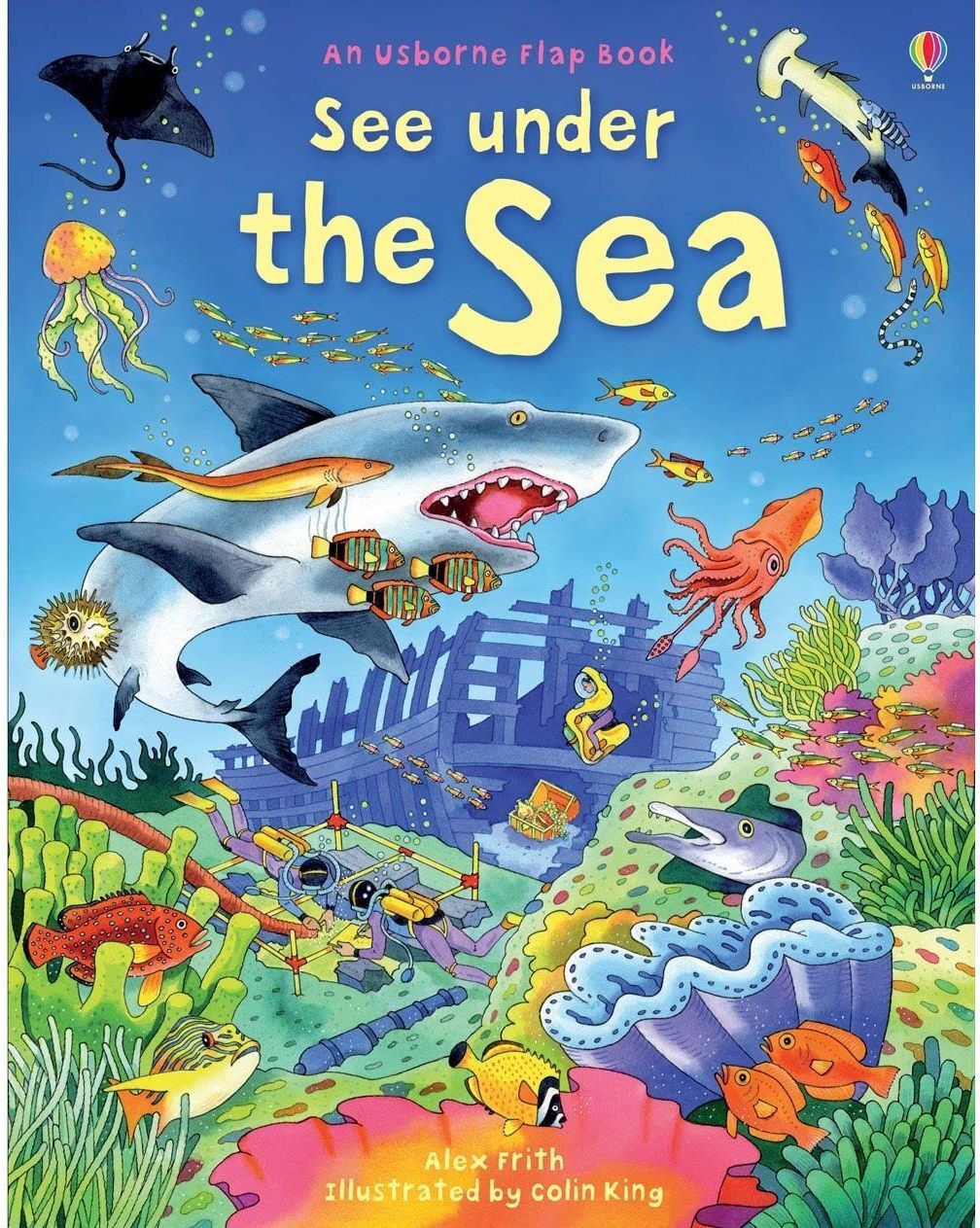
Usborne Publishing uk Ltd Usborne Flap Book See Inside Series 4 Books Collection Set (See Inside Your Body, See Inside How Things Work, See Inside The Solar System, See InsideUsborne Flap Book See Inside Series 4 Books Collection Set (See Inside Your Body, See Inside How Things Work, See Inside The Solar System, See Inside See Under the Sea) See Inside Your Body Fabulous flap book that reveals the inner workings of the human body. Bright, original colour illustrations and diagrams display all the major organs of the human body and are accompanied by witty, clear and informative text. Contains over fifty embedded flaps that children can lift to reveal extra detail. Written with expert advice from Dr. Zoe Fritz, a Consultant Physician and Director of Studies in Clinical Medicine at Cambridge University. See Inside How Things Work An amazing flap book packed with inventions, machines, gadgets and devices, and facts and information about how they work. Over 90 flaps reveal the insides of car engines, toilets, escalators, submarines and microwaves and many, many other machines. Includes internet links to websites with animations, games and experiments. See Inside The Solar System Blast off to explore our Solar System - from the fearsome heat of the Sun to the freezing distant planets, plus moons, asteroids and more. Discover how humans are planning to visit Mars, what you would weigh on Jupiter and what makes Venus so deadly. See Inside: See Under the Sea A fabulous flap book with over 80 flaps to lift and extra pages to open up to explore life under the sea. Shows coral reefs teeming with fish, the icy waters of the Arctic and the dizzying depths of ocean trenches, and shipwrecks and pirate booty too. Flaps reveal extra facts, information and surprises.21,99 £*Shipping: 2,99 £Secure redirect to the provider
-
Scholastic Party Pack: Can You See What I See? 100 Fun FindsPerfect for gifting! These party packs feature some of our most loved titles. Includes eight copies of the same book.Can You See What I See? 100 Fun Finds Read-and-Seek Party Pack: Can You See What I See? 100 Fun Finds26,99 $*Shipping: 0,00 $Secure redirect to the provider
-
Enlightenment Philosophers
Enlightenment philosophers were a group of thinkers in the 17th and 18th centuries who believed in the power of reason, science, and individual rights. They sought to challenge traditional authority and promote ideas of freedom, equality, and democracy. Some of the most famous Enlightenment philosophers include John Locke, Voltaire, Jean-Jacques Rousseau, and Immanuel Kant. Their ideas had a profound impact on the development of modern political and social thought. **
-
Enlightenment philosophers
Enlightenment philosophers were a group of thinkers in the 17th and 18th centuries who emphasized reason, science, and individualism as a means to challenge traditional authority and promote progress. They believed in the power of human reason to understand and improve the world, advocating for concepts such as freedom, equality, and democracy. Some well-known Enlightenment philosophers include John Locke, Voltaire, Jean-Jacques Rousseau, and Immanuel Kant. Their ideas had a profound impact on the development of modern Western thought and influenced movements such as the American and French Revolutions. **
-
What role does nature play in the Enlightenment era?
Nature played a significant role in the Enlightenment era as it became a central focus for many philosophers and thinkers. The study of nature and natural laws, such as those explored by Isaac Newton, influenced the development of scientific thought and the understanding of the natural world. This emphasis on nature also led to a greater appreciation for the beauty and complexity of the natural world, which in turn influenced art, literature, and the concept of natural rights. Overall, nature played a crucial role in shaping the intellectual and cultural developments of the Enlightenment era. **
-
What role does nature play in the Age of Enlightenment?
Nature played a significant role in the Age of Enlightenment as thinkers and philosophers of the time emphasized the importance of observing and understanding the natural world through reason and empirical evidence. This focus on nature led to advancements in scientific knowledge and the development of new ideas about the natural world. Philosophers like Rousseau and Voltaire also drew inspiration from nature to promote ideas of natural rights, freedom, and equality. Overall, nature served as a source of inspiration and a foundation for many Enlightenment thinkers to challenge traditional beliefs and promote rational thinking. **
Similar search terms for Enlightenment
-
Usborne See Inside - The World Of DinosaursA fabulous flap book with over 50 flaps to lift, offering a glimpse into the prehistoric world of the dinosaurs. Stunning illustrations show how dinosaurs lived, hunted and how they died out. Flaps reveal extra facts, information and surprises. Chapters in this book include: - The great dinosaur puzzle - Life begins... - Dawn of the dinosaurs - Giant footsteps - Strange decorations - Fearsome battles - Where did they all go? - Dinosaurs today - Who's who Related Tags: Usborne, Usbourne6,99 £*Shipping: 2,99 £Secure redirect to the provider
-
Cuisinart Pasta Extruder Attachment - See Compatible modelsOur Pasta Extruder Attachment lets you turn your Precision Master Stand Mixer into a kitchen workhorse, whipping up fresh batches of pasta for family and friends. Makes macaroni, spaghetti, rigatoni, fusilli, and more. Bellissimo!169,95 $*Shipping: 0,00 $Secure redirect to the provider
-
Tommy Hilfiger Boating Flags Cotton Reversible Blue Quilt SetAdd a nautical-inspired layer to your home with Tommy Hilfiger's Boating Flags Quilt Set. Featuring a vibrant multicolor Tommy Hilfiger flag design, this set brings a playful yet coastal touch to your décor.116,99 $*Shipping: 0,00 $Secure redirect to the provider
-
Usborne See Under the Sea by Kate DaviesSee Under the Sea A fabulous flap book with over 80 flaps to lift and extra pages to open up to explore life under the sea. Shows coral reefs teeming with fish, the icy waters of the Arctic and the dizzying depths of ocean trenches, and shipwrecks and pirate booty too. Flaps reveal extra facts, information and surprises.6,90 £*Shipping: 2,99 £Secure redirect to the provider
-
What is the concept of human nature in the Enlightenment?
In the Enlightenment, the concept of human nature was characterized by an emphasis on reason, individualism, and the potential for progress and improvement. Enlightenment thinkers believed that humans were inherently rational beings capable of using reason to understand and improve the world around them. This belief in the power of reason led to a focus on individual rights, freedom, and the pursuit of happiness. Additionally, there was a belief in the perfectibility of human nature through education and social reform, leading to an optimistic view of human potential. **
-
What is enlightenment?
Enlightenment is a state of deep understanding and insight that transcends ordinary knowledge. It involves a profound shift in consciousness where one gains clarity, wisdom, and a sense of inner peace. Enlightenment is often associated with spiritual awakening and the realization of one's true nature or purpose in life. It is a journey of self-discovery and transformation that leads to a higher level of awareness and a deeper connection to the universe. **
-
What prevents enlightenment?
Enlightenment can be prevented by attachment to worldly desires and distractions, such as material possessions, power, and ego. Additionally, ignorance and delusion can hinder the path to enlightenment, as they cloud the mind and prevent one from seeing the true nature of reality. Negative emotions like anger, greed, and jealousy can also obstruct the path to enlightenment by creating mental and emotional barriers. Finally, a lack of self-awareness and mindfulness can prevent one from recognizing the potential for enlightenment within themselves. **
-
What role does light play in comparing Enlightenment and Enlightenment?
Light serves as a metaphor in comparing Enlightenment and enlightenment. In the Enlightenment period, light symbolized reason, knowledge, and the pursuit of truth. It represented the movement away from ignorance and superstition towards intellectual enlightenment. In a similar vein, in personal enlightenment, light can symbolize the awakening of consciousness, self-awareness, and understanding. Both concepts use light to signify the illumination of the mind and the dispelling of darkness or ignorance. **
* All prices are inclusive of VAT and, if applicable, plus shipping costs. The offer information is based on the details provided by the respective shop and is updated through automated processes. Real-time updates do not occur, so deviations can occur in individual cases. ** Note: Parts of this content were created by AI.